Our researchers are accountable for the development, undertaking and reporting of their research. We foster a culture and environment which enables accountability, by providing clear policies, guidance, training and support to inform responsible practices and ensure appropriate use of public resources used to conduct research.
Responsible research governance
The University has processes and systems in place for the review, approval and oversight of research planned and conducted at the University. These are underpinned by education and training programs that enable our researchers to make informed and responsible choices about their research and partnerships.

-
At the University of Melbourne, robust governance mechanisms enable us to balance research excellence with responsibility. While committing to openness, we carefully navigate confidentiality, national guidelines and researcher safety.
This approach ensures integrity and accountability in our research practices, enabling us to address complex global issues while maintaining the highest ethical standards.
- The University and its staff and students are bound by the Australian Code for the Responsible Conduct of Research 2018 (also known as the Code)
- The University’s Responsible Conduct of Research (RCR Policy (MPF1318) sets out the standards expected by the University of its research personnel. The expectations described in the RCR Policy are aligned to the principles and responsibilities of the Code
- Additional policies and processes relevant to the responsible conduct of research are included in the Melbourne Policy Library, including on areas such as human research ethics and safeguards, animal care and use, and biorisk management
- The University’s governance framework includes committees (login required), structures and processes that ensure the good operation and public accountability of our research integrity ecosystem. It includes the University’s Academic Board and risk committees.
The University has processes for monitoring our research activities and scrutinising our partnerships and collaborations. These allow for deliberation on the ethics, opportunity and challenges of activities with elevated risk or sensitivity.
Subject matter experts, including our dedicated Research Due Diligence team, help the University maintain high standards by reviewing research engagements where there is potential risk.
Complex issues are escalated to the Research Due Diligence Advisory Group for careful consideration by academic experts.
-
In Australia, all research is subject to Australian legislation, guidelines and regulations including export controls that regulate the transfer of goods, technologies and information that could have military or dual-use applications.
The Defence and Strategic Goods List (DSGL) identifies controlled items and activities that may require a permit, such as exporting physical items, sharing information electronically, brokering transfers or publishing sensitive material.
Recent updates to legislation aim to balance national security with research collaboration and innovation.
Sanctions laws also apply, restricting certain activities involving specific individuals, entities or countries. These can include limits on providing goods, services, training or financial assets, although permits may sometimes be available.
More information about Export Controls are available to University staff and students via the Research Gateway (login required).
Countering foreign interference
The Australian Government’s Guidelines to Counter Foreign Interference in the Australian University Sector were developed in partnership with the Australian University Sector to help manage risk and to deepen resilience against foreign interference in the sector.
As part of enhanced research due diligence, risk assessment and management, the Guidelines require universities to collect annual declaration of interest disclosures from staff – including identification of foreign affiliations and support – to mitigate the risk of foreign interference.
Read the University of Melbourne’s 2020 submission to the Parliamentary Joint Committee on Intelligence and Security, with recommendations, underpinning principles and values for managing interference.
-
The University of Melbourne is committed to responsible and ethical research practices across all disciplines. Our comprehensive, enhanced research due diligence processes ensure that our research activities and partnerships align with our values, ethical standards and the national interest.
The Research Due Diligence Advisory Group (RDDAG), established in 2018, plays a crucial role in advising on research activities and partnerships. This Group advises senior leadership on matters of integrity, governance, social responsibility and potential risks in all forms, ensuring our research collaborations uphold the University’s reputation and align with Australia’s national interests.
Access the RDDAG Terms of Reference
Our enhanced research due diligence extends to philanthropic gifts supporting research, which are reviewed by both the RDDAG and the Gift Committee of University Council to ensure that all philanthropic gifts and sponsorships are lawfully, responsibly and ethically sourced.
While we strive for transparency, some research projects may be subject to confidentiality restrictions. In these cases, we balance the need for disclosure with our legal and ethical obligations to protect sensitive information.
These processes, along with our adherence to the Australian Code for the Responsible Conduct of Research, provide confidence that our research across all areas, including sensitive fields like defence and national security, fully complies with Australian law and international obligations.
-
Risk management is key to delivering our strategy while protecting our assets and reputation, ensuring operational efficiency and safety, informing strategic decisions and enhancing institutional resilience.
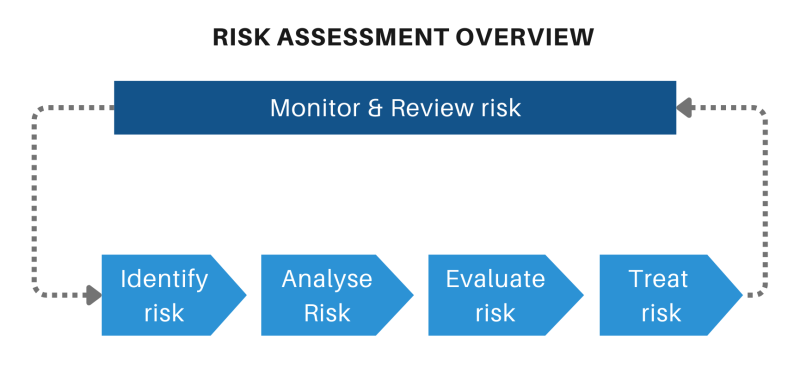
The research risk assessment process enables effective management of research risks, fostering responsible collaboration while safeguarding researchers and the University.
Sensitive Research
At the University of Melbourne, we are committed to strong governance and robust ethics and integrity practices as required by law, policies and the code we maintain rigorous governance and risk mitigation practices for research conducted in sensitive areas.
Research best practice seminars and training
Explore learning and development opportunities designed to support researchers and research support professional staff at every stage of their careers, empowering them to grow, adapt and make meaningful impact (login required).
Research best practice seminars and training
Research Data Management (RDM)
Good research data management is essential for conducting research in a responsible way. It helps maintain research integrity and reproducibility and prevents accidental data loss and disclosure. Researchers and graduate researchers are responsible for managing their research data and records to ensure integrity, accessibility, security and compliance.
RDM at the University of Melbourne
Melbourne Policy Library
Explore and access our Research and Research Training policies.
Find out more
-
Research concerns
Learn more about how we define a breach, and when you should raise a concern about research integrity.
-
Our ethics committees
Join an ethics committee and help safeguard the rigour and reputation of research at the University.
-
Trusted research
Our commitment to responsible research practices and public engagement strengthens our ability to contribute innovative and impactful research to the global community.
-
Ethical research
Our research ethics framework and processes ensure that research involving people, animals and biological materials comply with the relevant legislation, codes and standards