At the University of Melbourne, we are committed to conducting research that is respectful, responsible and held to high ethical standards. Our research ethics framework and processes ensure that research involving people, animals and biological materials complies with the relevant legislation, codes and standards.
Beyond these formal requirements, we are dedicated to upholding principles of fairness, respect and recognition in all our research relationships, from clinical trials and animal use to respectful Indigenous research partnerships.
Ethical conduct of research
The Office of Research Ethics and lntegrity (OREI) provides guidance and processes to support researchers to design and conduct their research in compliance with the relevant legislation, codes and standards. OREI administers the processes for research with people, animals and biological materials, including supporting the operations of the University’s biosafety, animal ethics and human research ethics committees.

Research ethics committees
Our ethics committees play a crucial role in upholding the integrity and reputation of research at the University of Melbourne. These committees ensure that all research with people, animals and biological materials adheres to the highest standards, safeguarding the wellbeing of human participants, animals and the environment.
Ethics and compliance at Melbourne
-
Animal research has been crucial in developing treatments for serious diseases. As leaders in animal health and well-being research, we respect all animals used in our studies and teaching. We recognise this as a privilege that demands the highest standards of care.
The use of animals and teaching and research is governed by strict regulations and is approved only where it is necessary and there are no suitable alternative methods available. Research and teaching using live animals cannot commence without prior approval from an Animal Ethics Committee, in line with the requirements of the Australian Code for the care and use of animals for scientific purposes.
-
University research and teaching activities involving regulated biological materials must comply with relevant legislative schemes, standards and University processes.
A wide range of hazardous biological agents and materials are in use across the University. Find out how the University manages biological risk.
-
Biosecurity is about keeping Australia, its environment, and its people, safe.
Find guidance on the importation and safe and compliant handling of biological materials sourced outside Australia (login required).
-
Activities involving genetically modified organisms must comply with the legislative scheme for gene technology.
Find out whether your activities are regulated and how to obtain approval to work with GMOs (login required).
-
Human research ethics approval is required for all research conducted with or about people, or their data or tissue.
Fundamental to human research ethics review is the understanding that people have value: contributing their information or biospecimens to progress research goals makes them participants in that research, and there is a relationship of trust between participants and researchers. That is why all University research using data, information or biospecimens from people is reviewed and approved against the National Statement on Ethical Conduct in Human Research.
Respectful Indigenous research
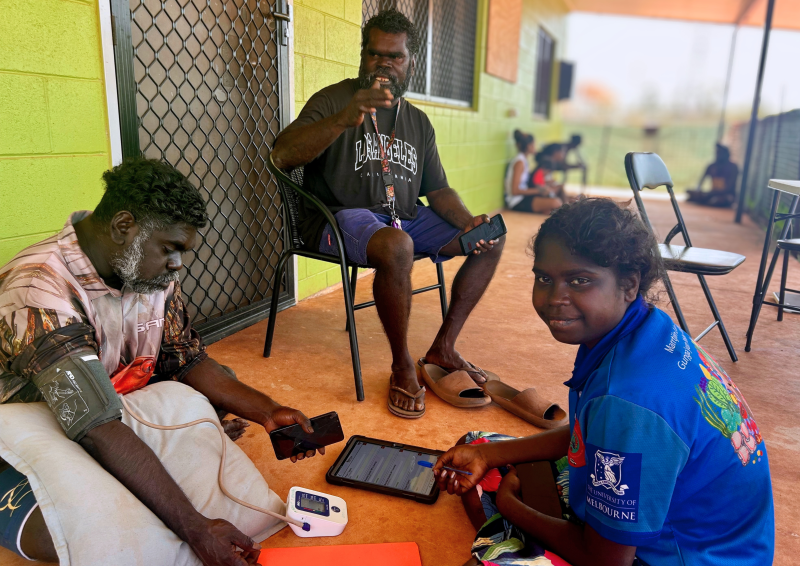
The University of Melbourne is committed to equitable partnerships with Indigenous communities and Indigenous Knowledge Holders, recognising their rights and leadership in research.
We support both researchers working with Indigenous communities and our exceptional Indigenous researchers across disciplines through dedicated resources, guidance and collaborative networks.
Monitoring and reporting
At our university, approved research projects are subject to ongoing monitoring and annual reporting requirements. Our committees; including the Animal Ethics Committee (AEC) and Institutional Biosafety Committee (IBC) review these reports to ensure continued compliance with relevant regulations and codes.
Final reporting on completed or discontinued projects provides an opportunity to document outcomes and any scientific achievements associated with the work.
Through these oversight mechanisms, we maintain accountability and transparency in our research practices.
Concerns, breaches and support
We are committed to managing research conduct concerns and breaches professionally and fairly. Our comprehensive support system offers resources, information, and dedicated staff to assist researchers at every stage of their journey, ensuring the highest standards of ethical and responsible research are maintained.
-
Our Office of Research Ethics and Integrity (OREI) provides guidance and systems to support researchers. It plays a vital role in protecting and strengthening the University’s research reputation.
- Managing research processes and systems that support the responsible conduct of research
- Providing guidance and advice to researchers
- Investigating allegations of research misconduct, ensuring the University maintains the highest standards.
-
If you have a concern about the way in which research has been conducted at the University, your experience participating in a research project, animal welfare, or decisions made by our ethics, biorisk and clinical trials governance committees, you can use a form to contact the Office of Research Ethics and Integrity.
-
University of Melbourne staff and students are encouraged to contact a Research Integrity Advisor (login required) to discuss:
- Research integrity
- The Code
- Concerns about research conduct
- How concerns about research integrity are handled.
-
The Risk and Assurance team is part of the Legal and Risk portfolio. This page links to information about the services we offer, spanning insurance, risk management, compliance, assurance (internal audit) and gift compliance.
-
We provide a range of services to support you throughout your research career, including information on ethical requirements, research reporting, graduate research material and resources, funding information, training and development, career planning and health and wellbeing.
-
Further guidance can also be found on the Research Gateway, which is available to all University of Melbourne academic and honorary staff, graduate researchers and professional staff. Please note, you will need to log in with your University of Melbourne username and password.
Staff can also contact the research helpline. We're here to answer your queries Monday to Friday.
Keep reading
-
Research openness
We have a responsibility to justify our efforts to society, to communicate our research, and to ensure the conduct of our research is visionary, transformative, and beneficial to those we serve.
-
Sensitive research
We are committed to responsible research at the University of Melbourne. We promote the highest standards of ethics and integrity in all research.
-
Trusted research
Our commitment to responsible research practices and public engagement strengthens our ability to contribute innovative and impactful research to the global community.