Congratulations to our winners!
Thanks to our judges and everyone who voted in the People’s Choice Award online and at our Open Day Lens of Discovery exhibition.
The votes have been tallied, and here are our 2026 Lens of Discovery winners.
People’s Choice Award – Open Day
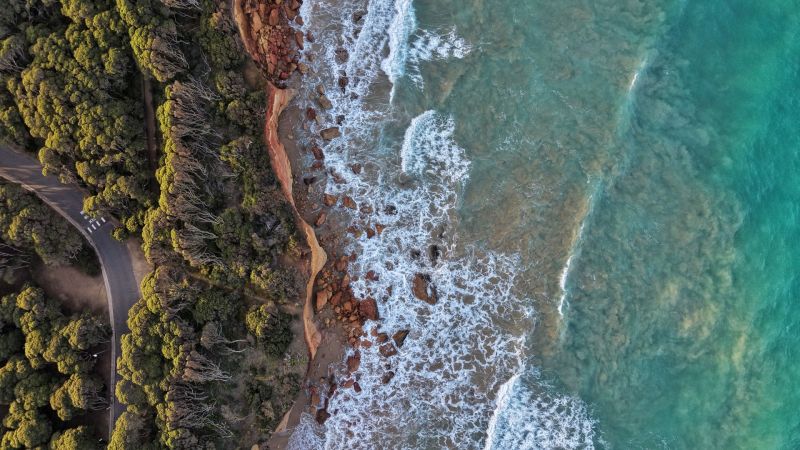
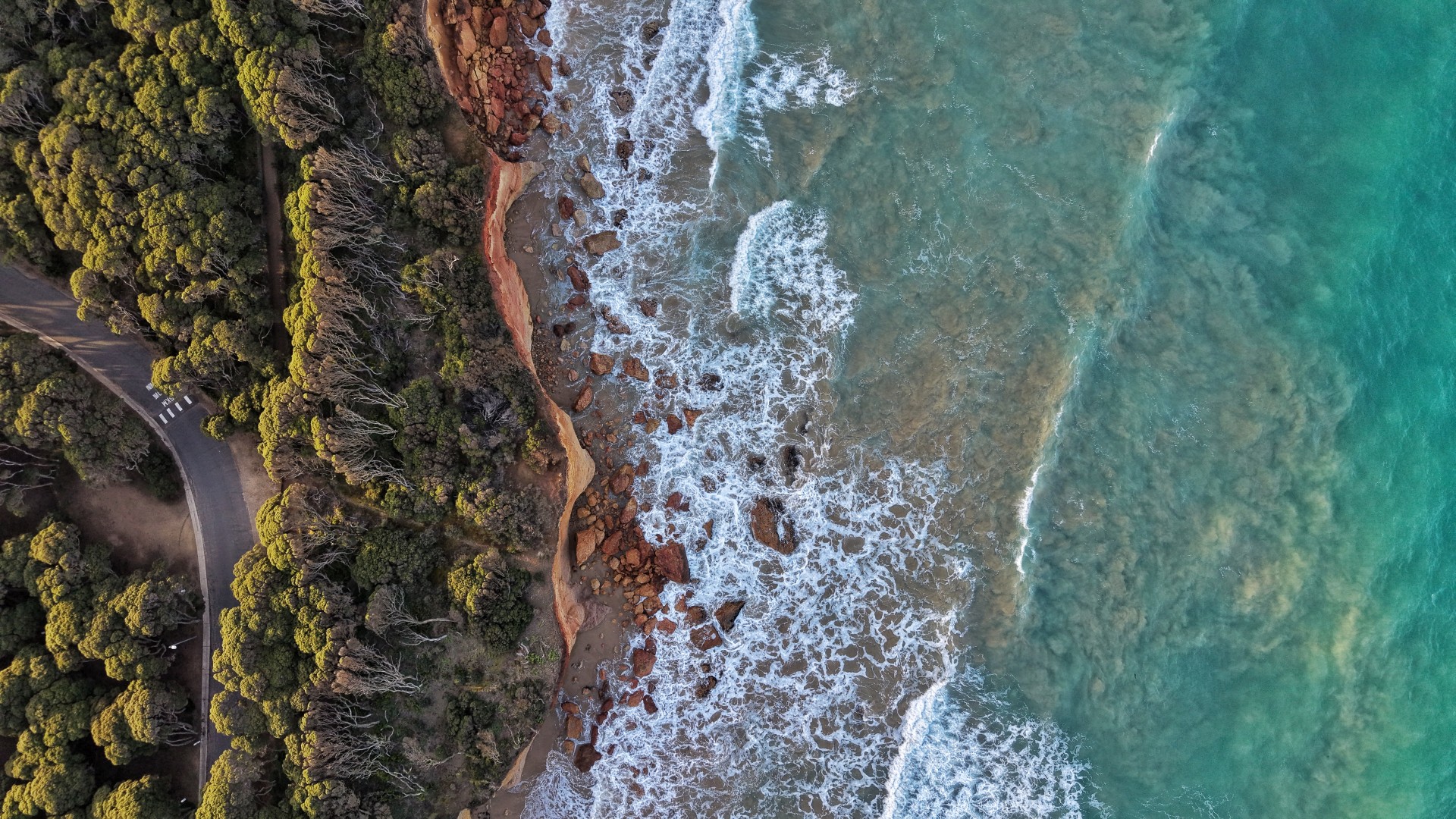
‘The Geomorphic Edge’ by Wenxin Zhou
This photo represents research into coastal erosion, observing the boundary where powerful ocean waves constantly wash away the land. Understanding how fast these cliffs are wearing down has a real-world impact because this erosion threatens infrastructure, like the coastal road on the edge. By measuring these changes, the research provides local communities and councils with the clear facts they need to protect roads, make smart economic choices, and safely adapt to our shifting environment.
People’s Choice Award – Online
Medicine and Health (Student) Award
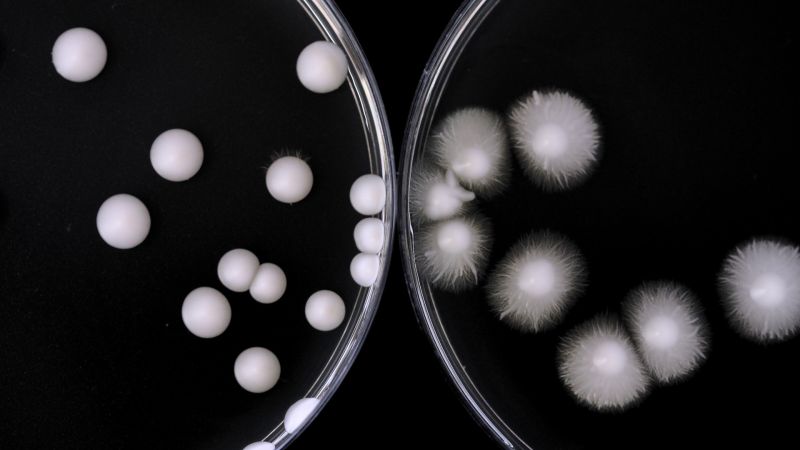
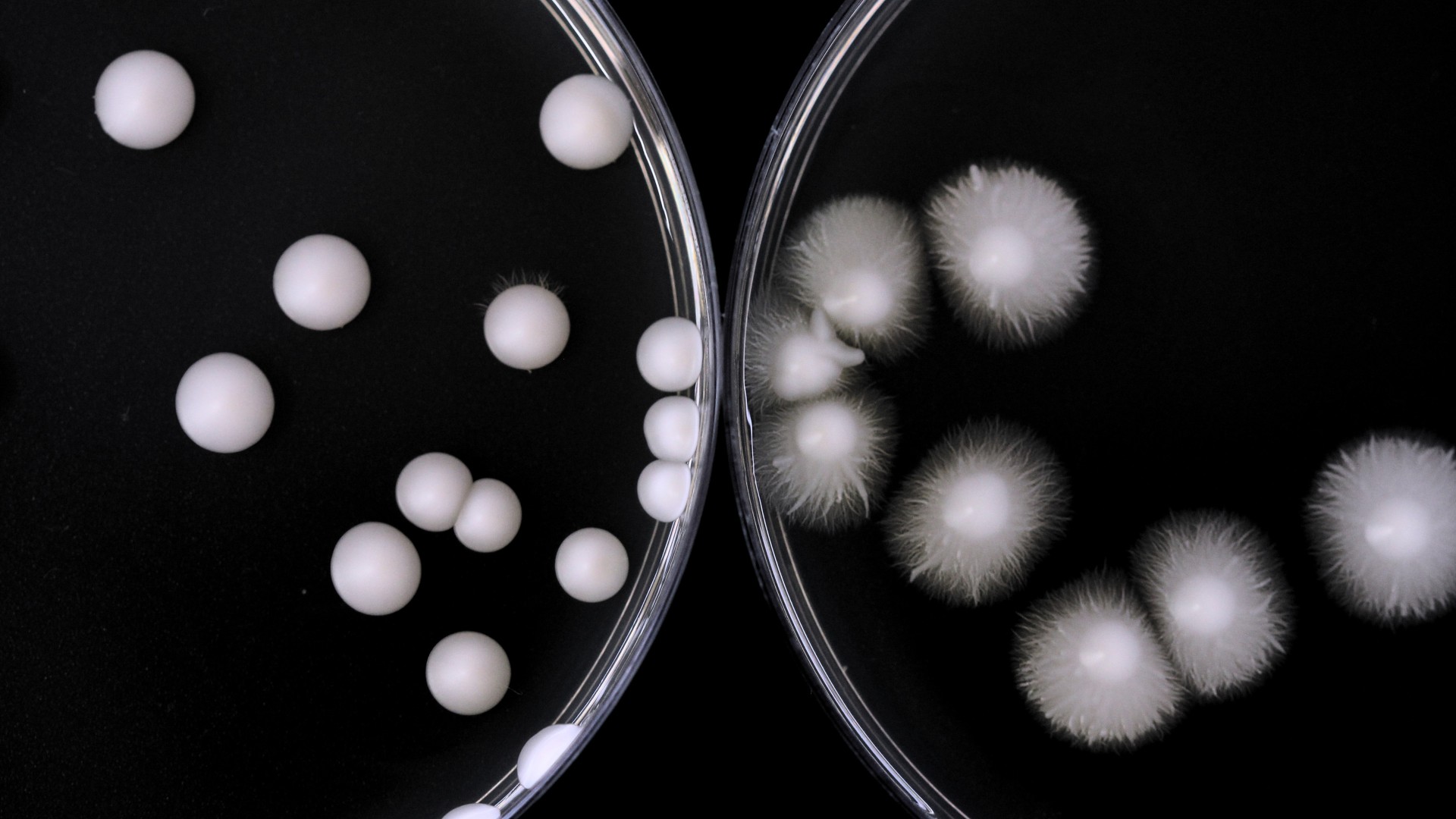
‘Benign or malignant?’ by Satutya Wicaksono
Candida albicans is a common fungus that lives in most of our mouths without causing harm. But in some people, it behaves very differently. This image captures what that difference can look like under the right conditions: smooth, contained colonies on one side, and dramatically spiky, filamentous ones on the other. The thread-like projections, called hyphae, are known to help the fungus cling to the lining of the mouth and may play a role in disrupting healthy tissue.
HASS (Student) Award
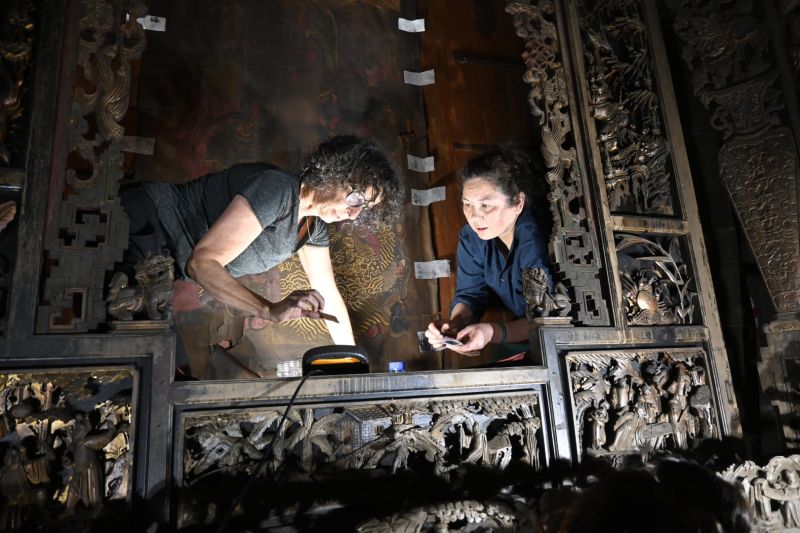
‘Under Kwan Tai’s Gaze’ by Danni Lin
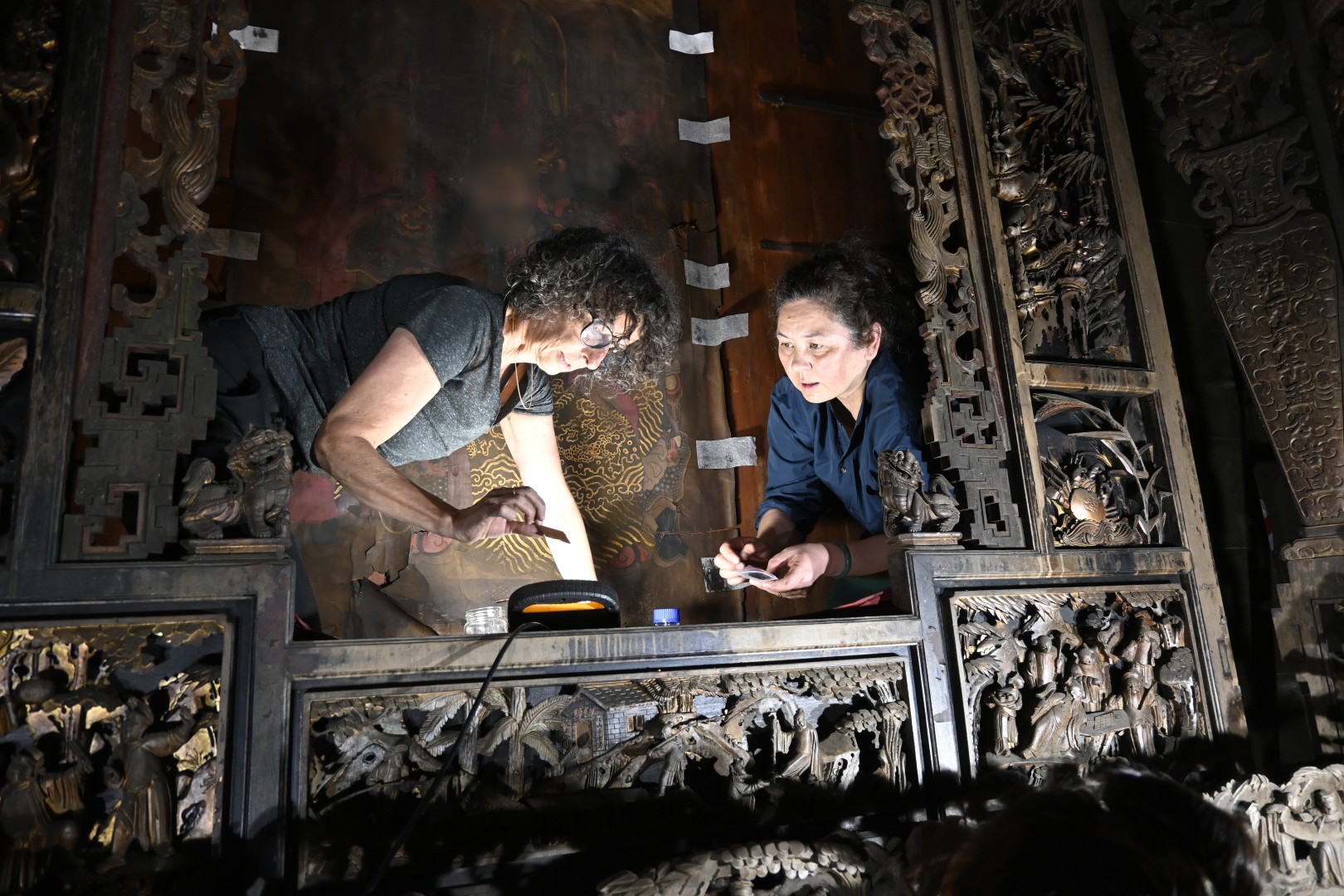
This image documents condition assessment and early treatment planning for a Kwan Tai portrait at the spiritual centre of the See Yup Temple. Led through conservation research and teaching, the work brings together close material observation, technical care and community-centred recovery, helping shape how a fire-damaged yet still active temple can be cared for without losing its living significance.
STEM (Student) Award
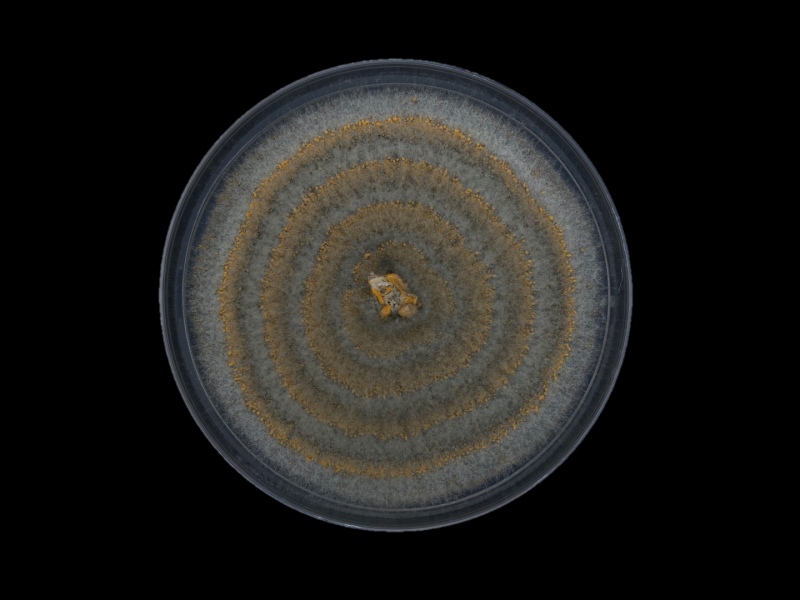
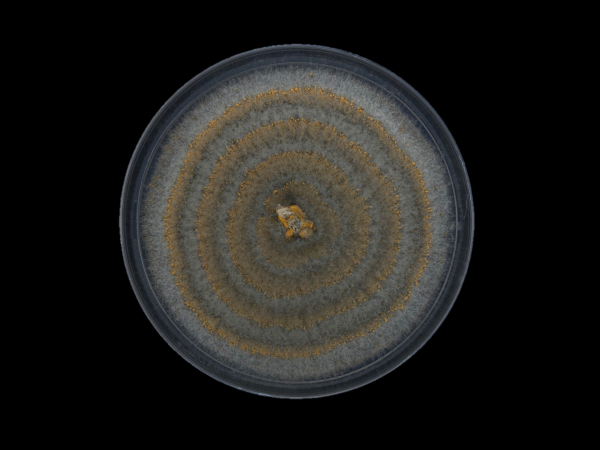
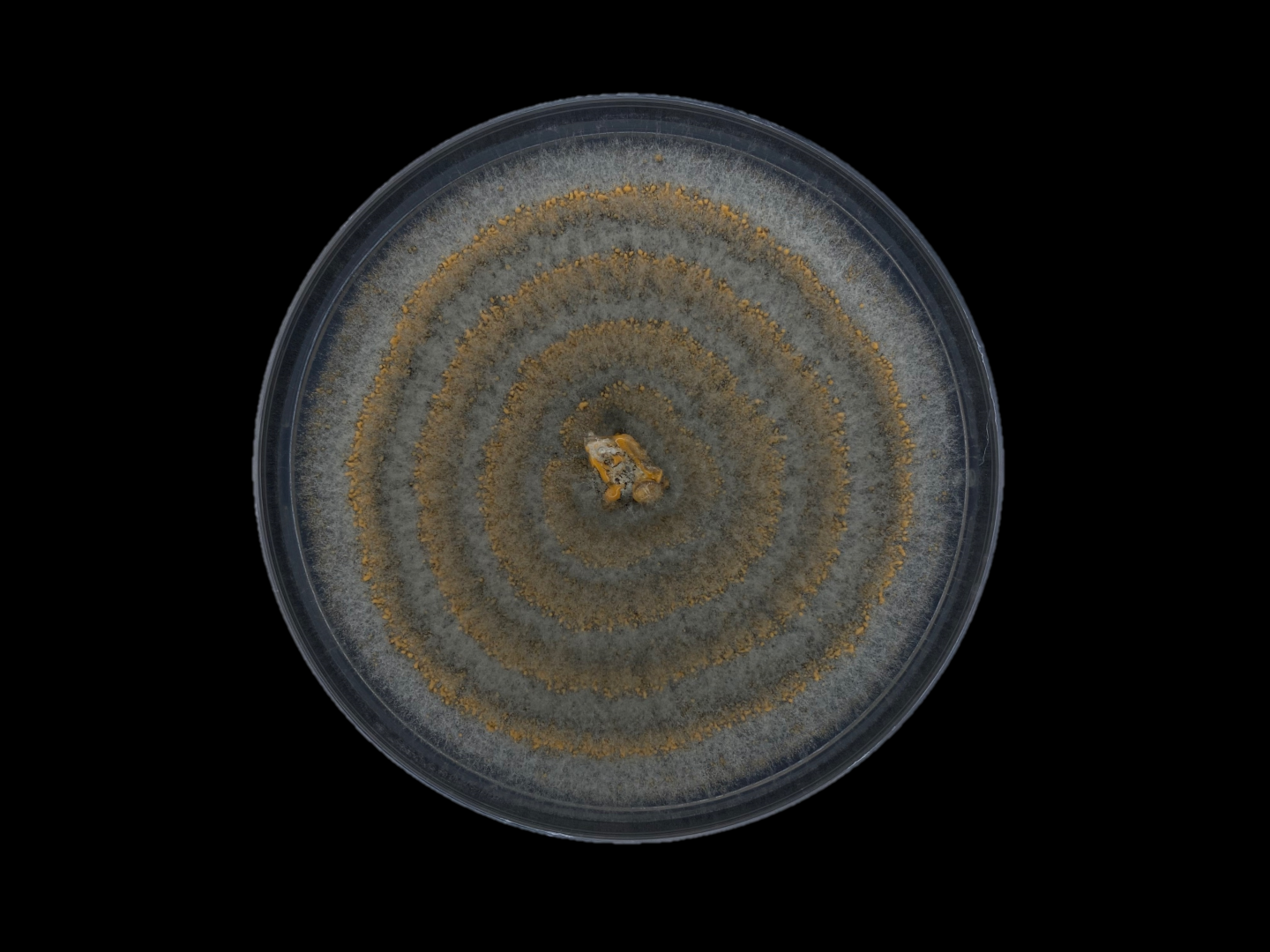
‘Hypnotised by Hyphae’ by Aindreeya Alcova
This image is part of PhD research on fungal diversity associated with Australian native plants. It contributes to documenting underexplored taxa, with implications for biodiversity, plant health, and biosecurity.
![Ruth Gulamanda, Senior Yolŋu Researcher, Peter Doherty Institute, describes the photo as follows: “This photo has been taken at Djari (Rainbow) street in Galwin’ku community on Elcho Island in Arnhem Land (Yolŋu traditional lands). We went to see our [research] participant, Alvin Balwutjmi, for his health check, and these are the two workers, Fabian Malandhula and Mariana Yalumbuwuy, who work for Walking Together. The staff deliver a service outside in the community where we approach gently and sit down with them. These people are doing a Point of Care Health check for this ḏirramu (man) and he is there relaxing. This is how we do it in the community. It’s not like at the clinic, it’s [this program] outreach in the community and that’s what the Yolŋu people want – for us to go and see the people and support them with their health at their wäŋa (home). After the check we share the results with the participant, and we let them know the story the results tell. Then we do health education dhäwu (discussion) with them in Yolŋu matha (Yolŋu language) to help them understand their results and what they can do to walk on a healthy dhukarr (pathway). We enjoy our work, working with the young workers and participants in the community. The balanda (non-Indigenous) support workers help us to deliver the program. This program is good because people want to be checked at their home where they feel safe and comfortable”.](https://research.unimelb.edu.au/__data/assets/image/0004/5572111/varieties/large.png)
Medicine and Health (Staff) Award
‘Marrtji Limurr Rrambaŋi Guŋga’yun Yolŋu’-Yulŋuny Mala (Walking Together to support Yolŋu people for good health)‘ by Ros Beadle
The burden of chronic disease continues to put great strain on and results in incessant grief for remote Aboriginal communities, including Galiwin’ku (Elcho Island) in North-East Arnhem Land. The Walking Together project emerged from community ideas to design and deliver a community-led mobile health service to support Yolŋu adults to have regular point of care (POC) health checks to slow down and prevent diabetes and cardiovascular disease. Photo taken by Dr Ros Beadle on behalf of Ruth Gulamanda, George Gurruwiwi, Juanita Mooney, Dr Hasthi Dissanayake and Professor Bev Biggs.
HASS (Staff) Award
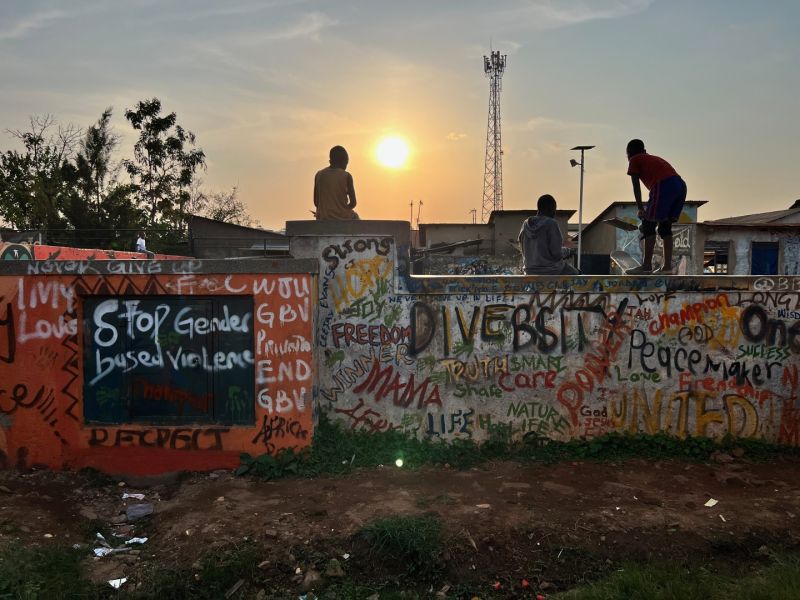
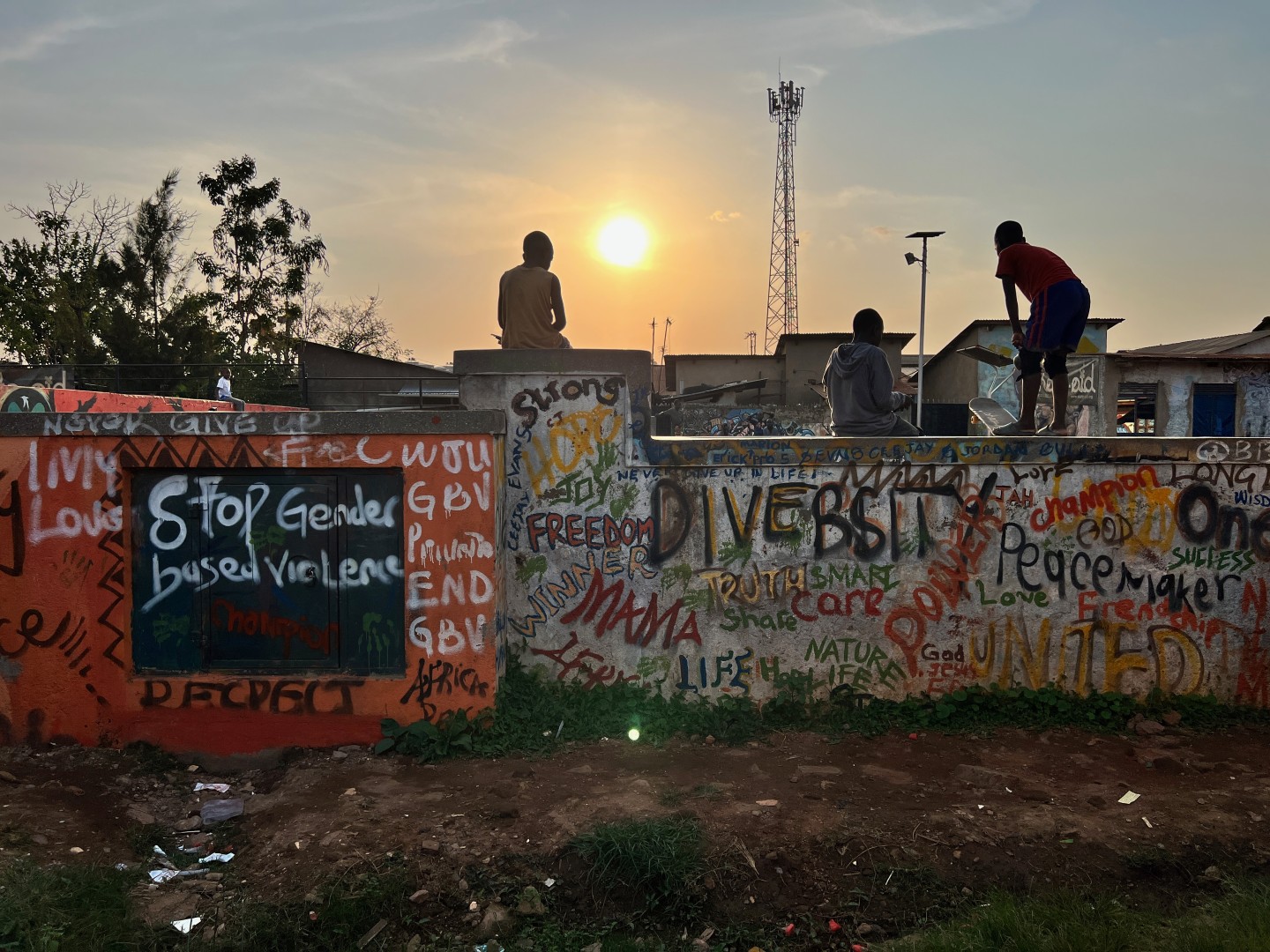
‘Sunset over Kitintale skatepark’ by Sabina Andron
The image is part of the project 'Urban visual culture and heritage in Kampala, Uganda', which explores the role of public signage and urban surface displays in the formation of public cultures in the East African capital. It illustrates how the visual culture of everyday urban spaces is a form of cultural heritage, and how the walls of the city are used to achieve more inclusive and just spaces.
STEM (Staff) Award
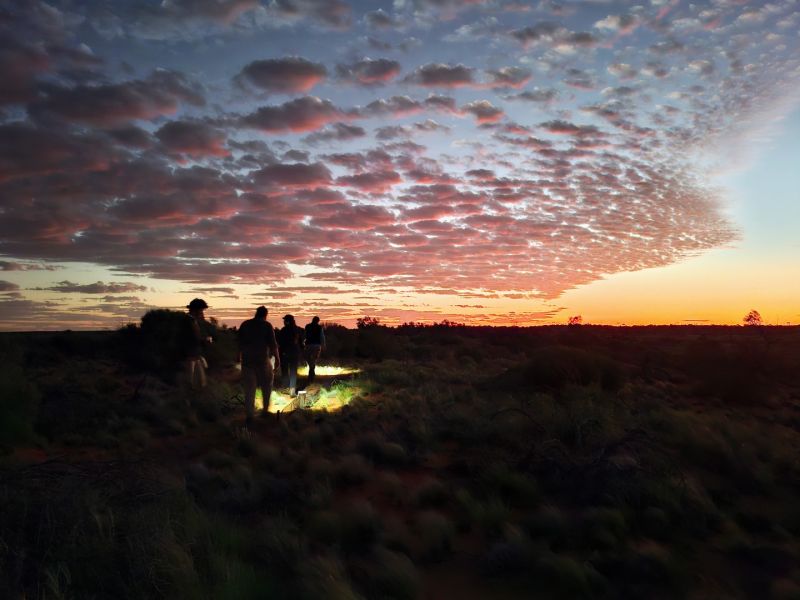
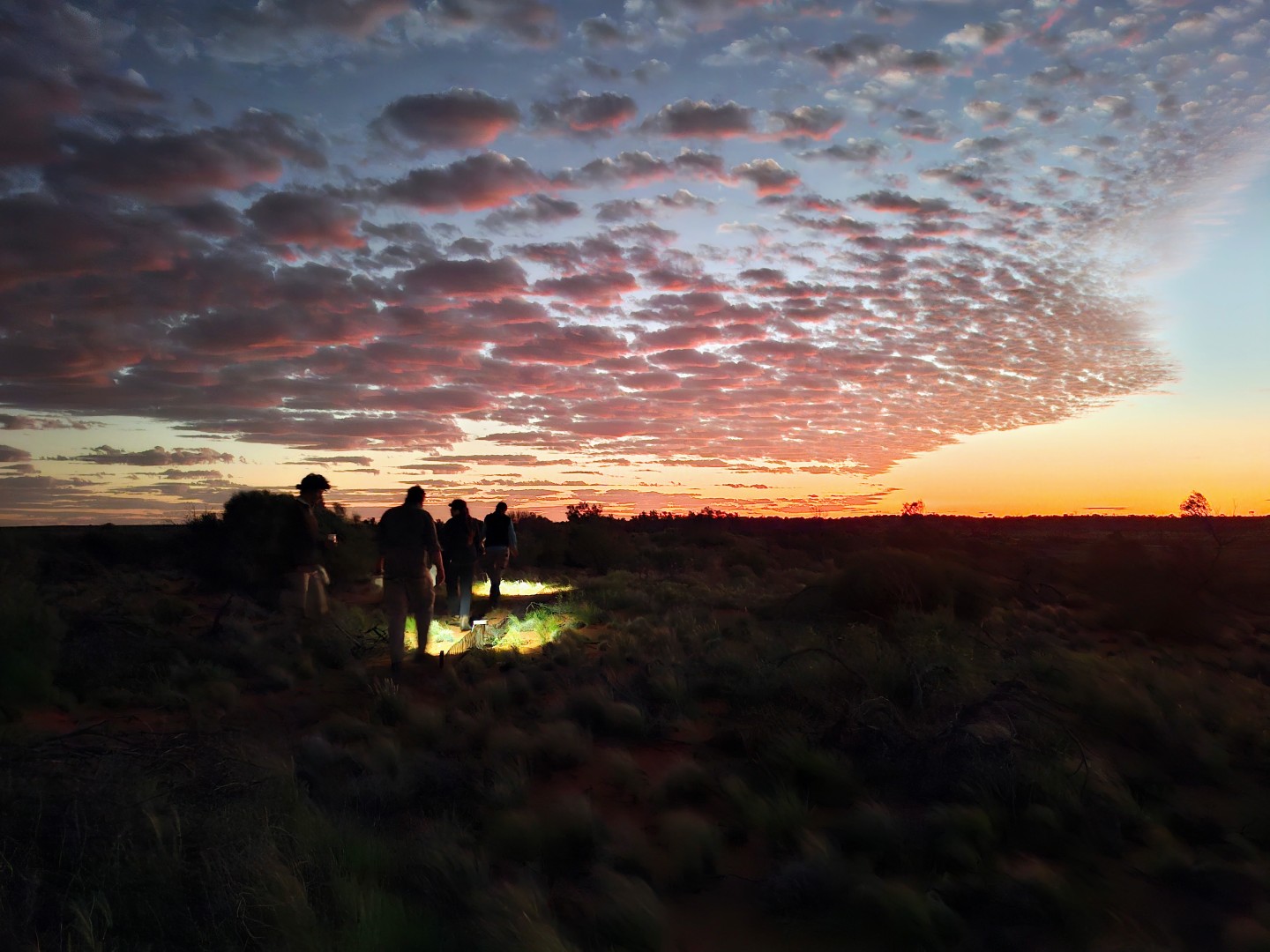
‘Sunrise trap checks on Kokatha Country’ by Emily Scicluna
Arid Recovery have one of the longest running ecological surveys in Australia, with ~30 years of pitfall trap data for the same sites. With this data they have been able to record gross ecosystem change in response to how native species bounce back after removal of feral pests and predators, and how desert species cope with climate change. This research is conducted on Kokatha country and regularly occurs alongside Kokatha rangers.
See all of the finalists and read their stories
-
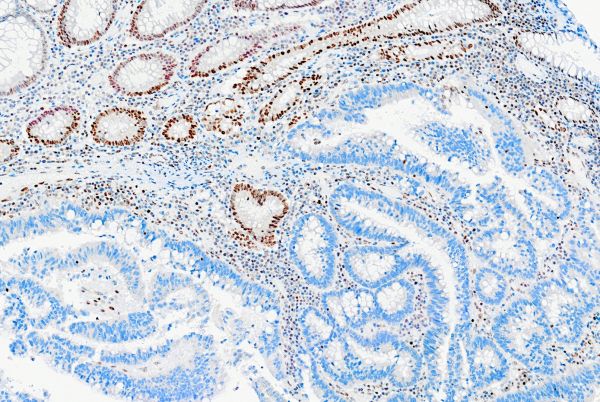
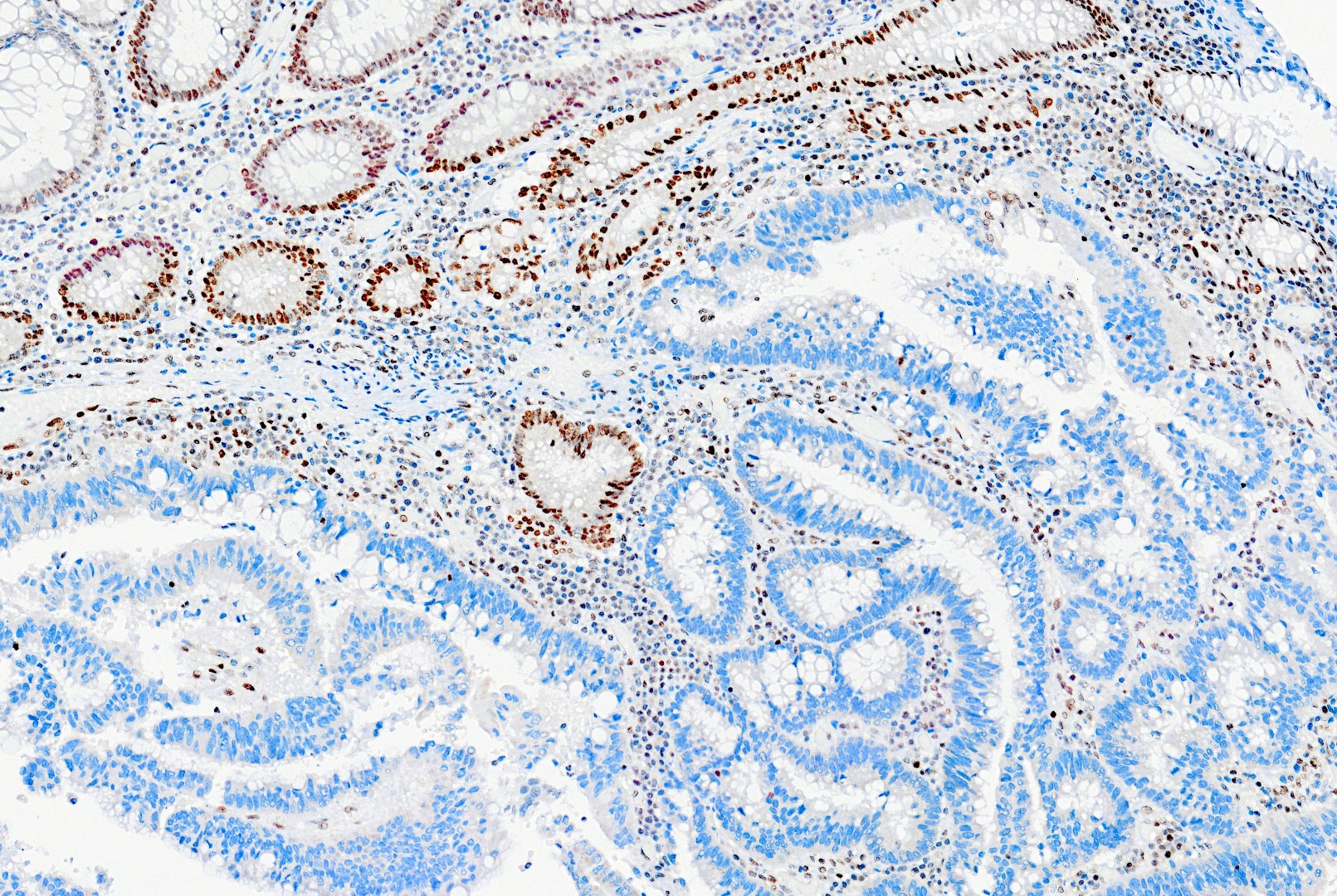
'At the heart of resistance'
'At the heart of resistance' by Romy Walker. At the frontier between healthy (brown) and cancerous (blue) tissue, a heart-shaped crypt marks early change. Its altered form signals the first steps of cancer, yet its brown staining reflects resistance, and perhaps a little love holding its ground. In this moment, suspended between normality and malignancy, lies an opportunity to understand the earliest stages of cancer development, reminding us that advancing knowledge often begins at the boundary between the known and the unknown. -
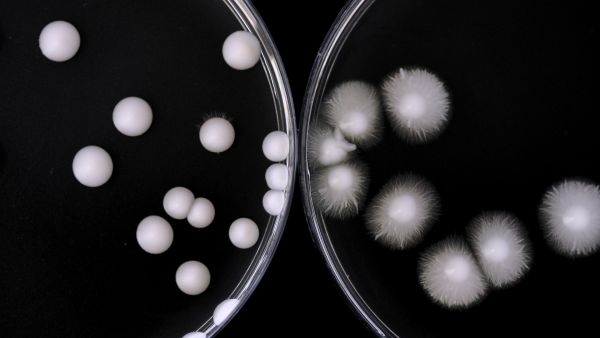
'Benign or malignant?'
'Benign or malignant?' by Satutya Wicaksono. Candida albicans is a common fungus that lives in most of our mouths without causing harm. But in some people, it behaves very differently. This image captures what that difference can look like under the right conditions: smooth, contained colonies on one side, and dramatically spiky, filamentous ones on the other. The thread-like projections, called hyphae, are known to help the fungus cling to the lining of the mouth and may play a role in disrupting healthy tissue. -
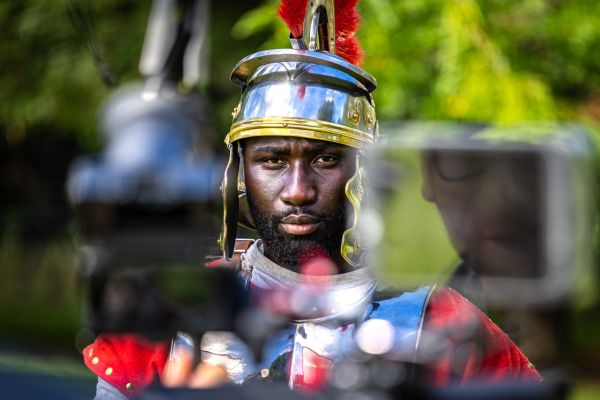
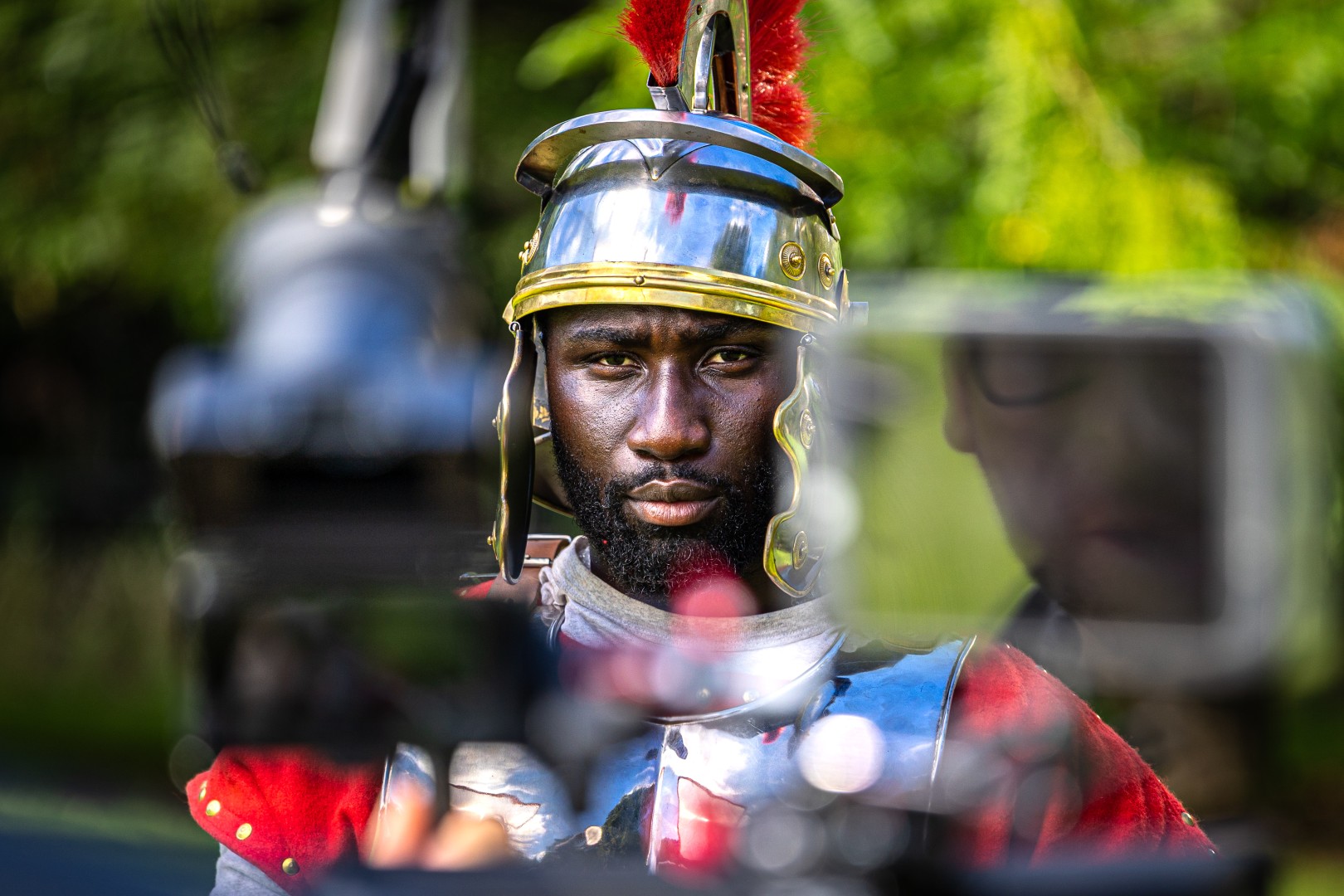
'Beyond the Frame: Bringing knowledge to life through storytelling'
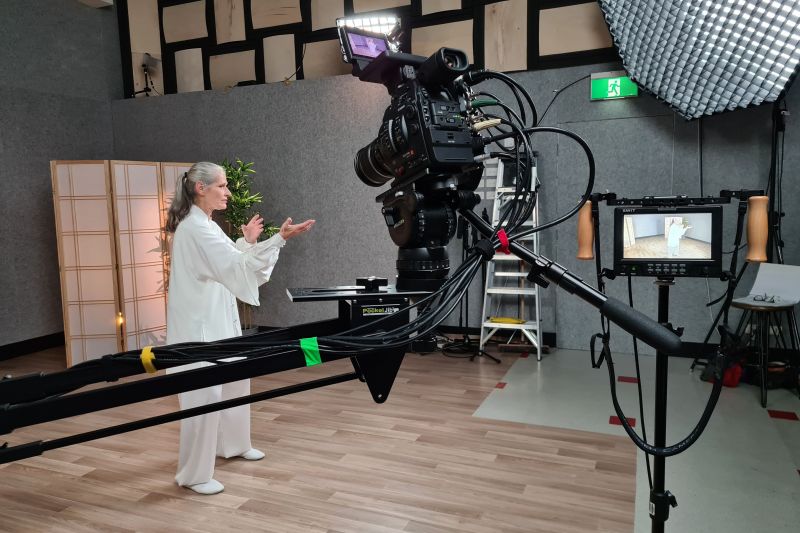
'Beyond the Frame: Bringing knowledge to life through storytelling' by Ben Loveridge. The image represents the applied practice of research into communicating ideas through video and visual media. At the University of Melbourne, the Video and Media team explores how complex learning theories and research ideas can be translated into accessible, compelling narratives for a wide range of audiences. -
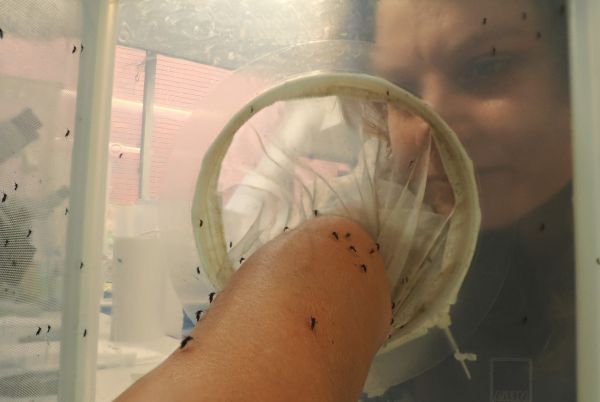
'Blood, sweat and data'
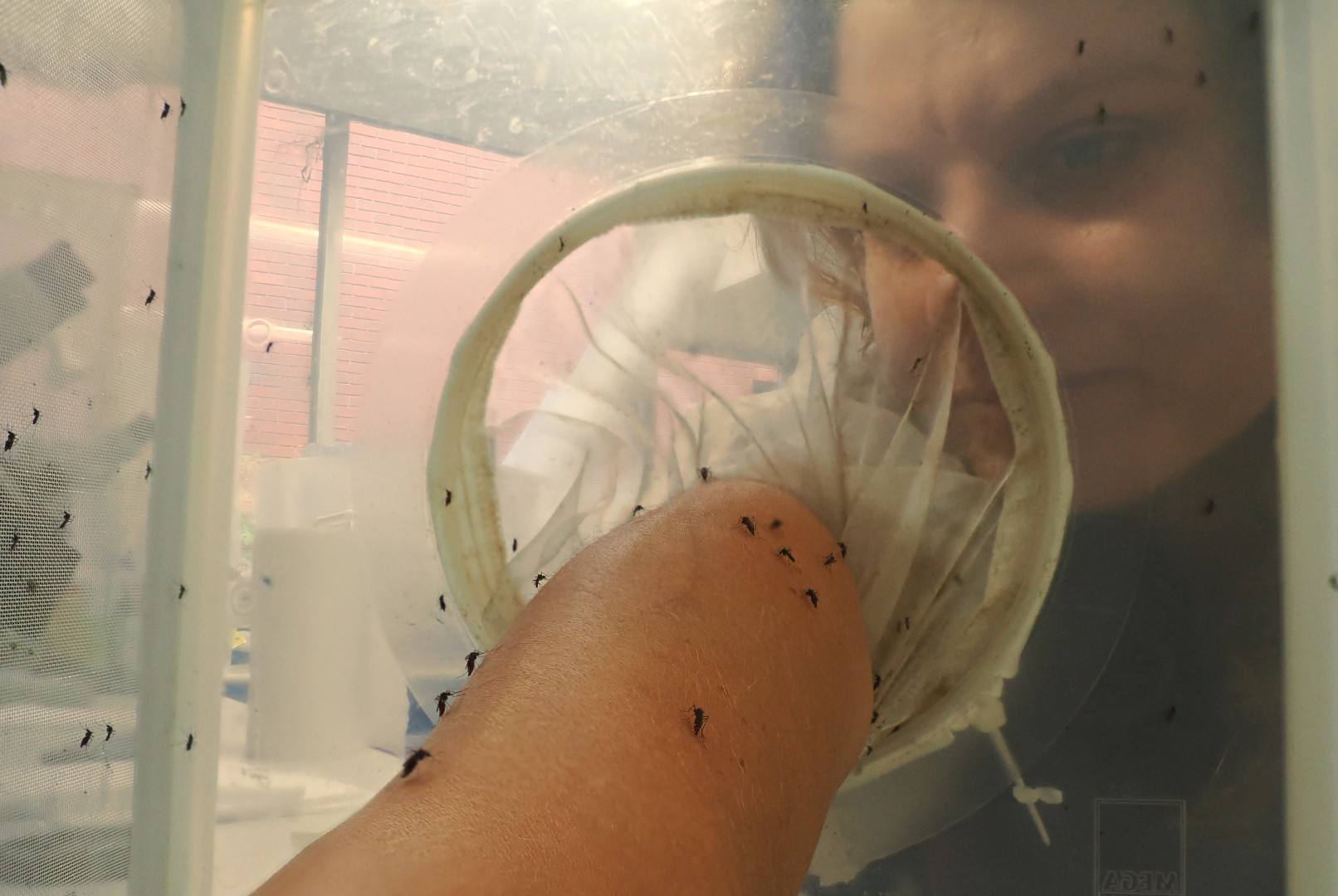
'Blood, sweat and data' by Edward Tsyrlin. The image shows the routine blood-feeding of laboratory-reared mosquitoes, a process needed to stimulate egg production and maintain colonies for ecological and public health research. This work helps improve understanding of mosquito biology, host interactions, and disease transmission, supporting more targeted mosquito-borne disease control. -
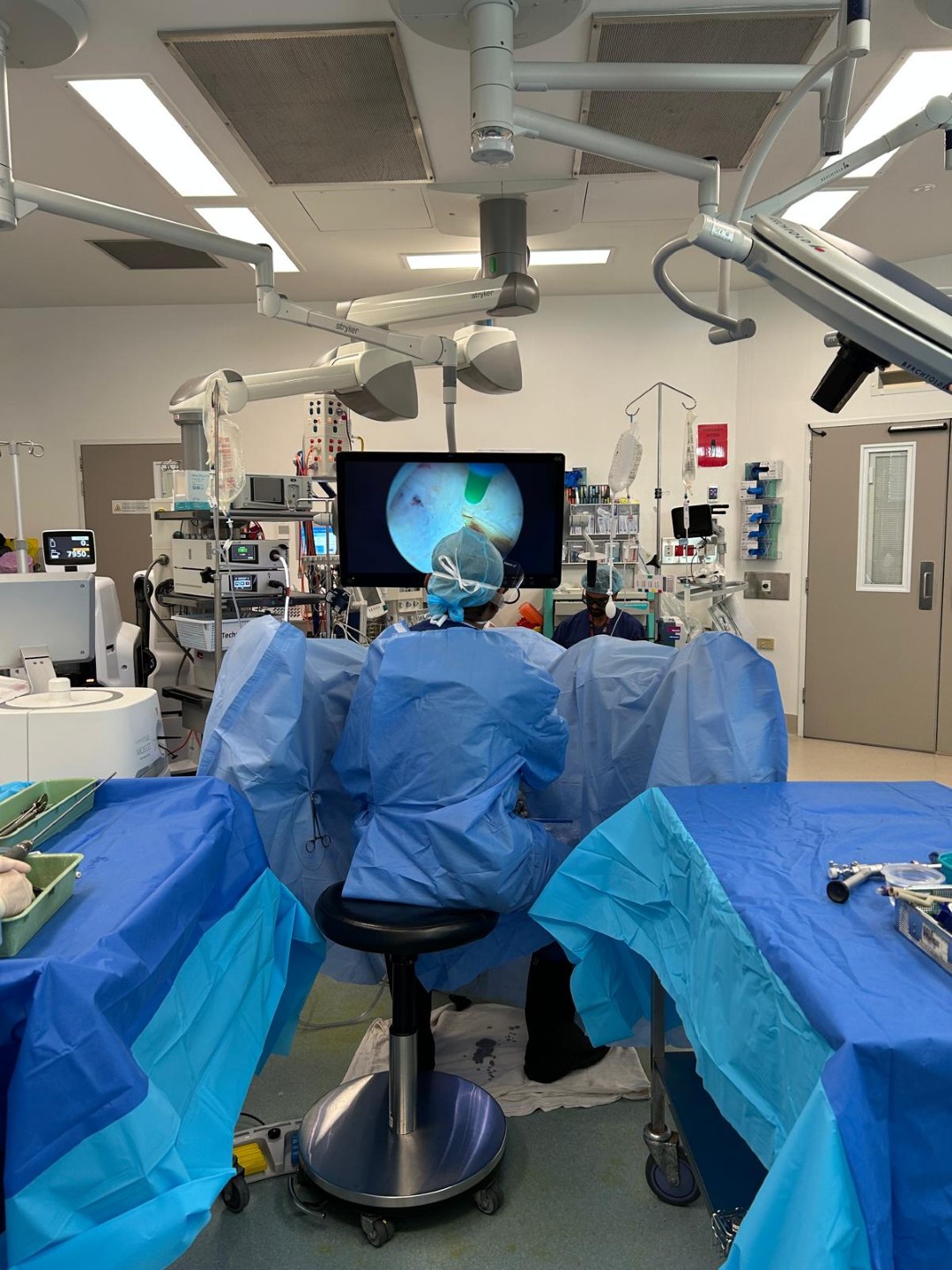
'Breaking Boundaries: Advancing knowledge in prostate cancer care'
'Breaking Boundaries: Advancing knowledge in prostate cancer care' by Thili Chengodu.The image represents clinical research into an innovative surgical approach for prostate disease, exploring new techniques beyond standard practice to improve precision, effectiveness, and patient outcomes. -
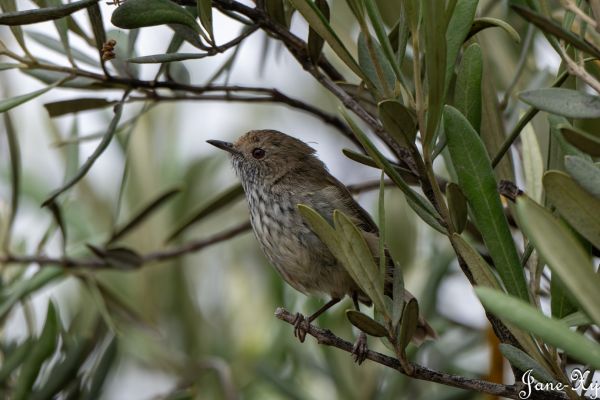
'Brown Thornbill'
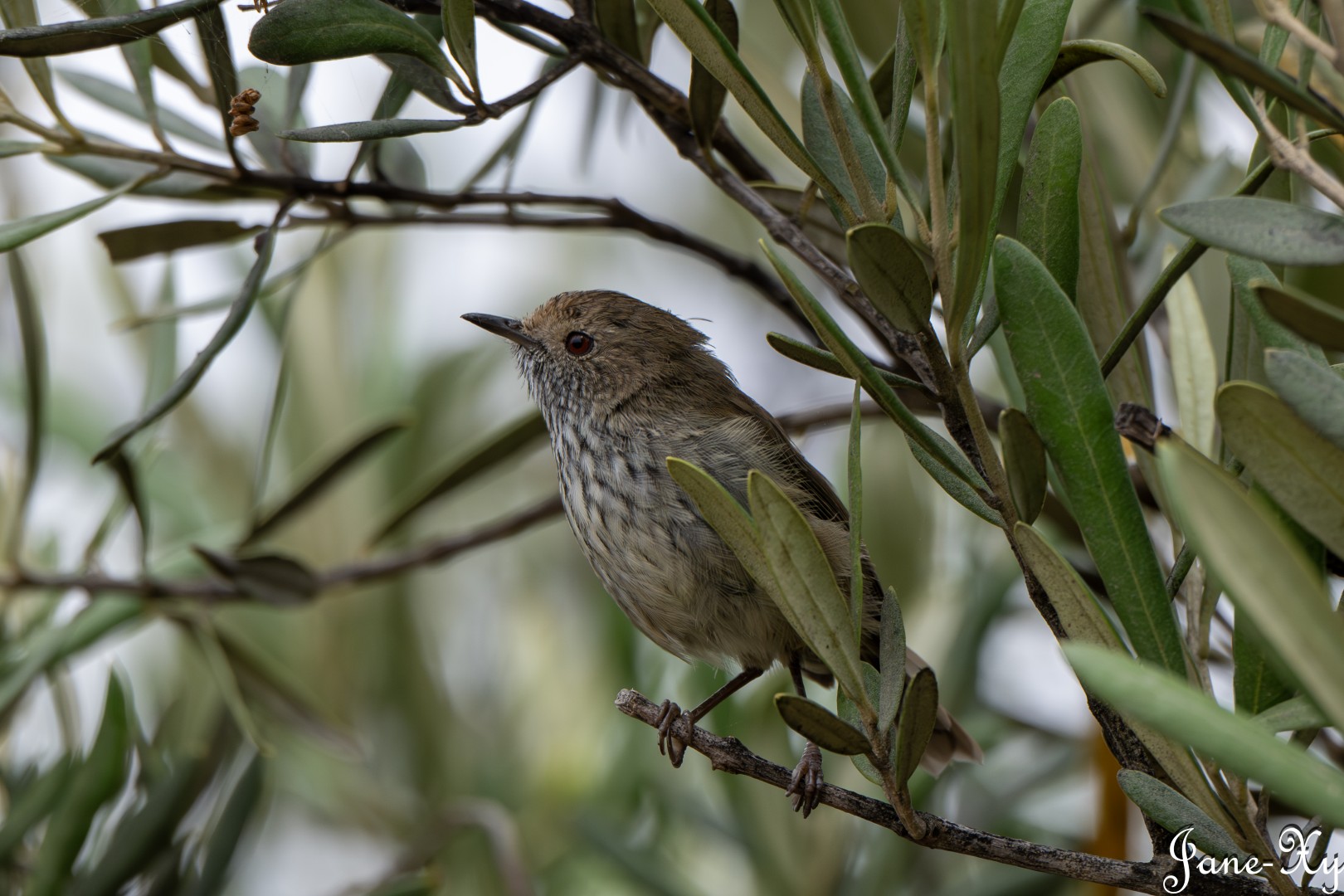
'Brown Thornbill' by Xiaoyan Geng. Australia is a vast and charming land. Here, many forms of life coexist harmoniously with humans. -
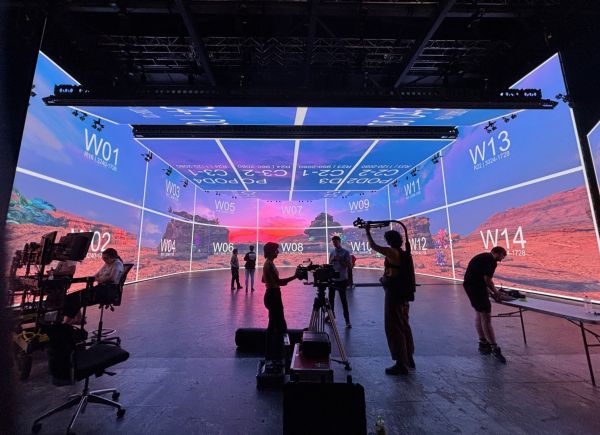
'Constructing Reality'
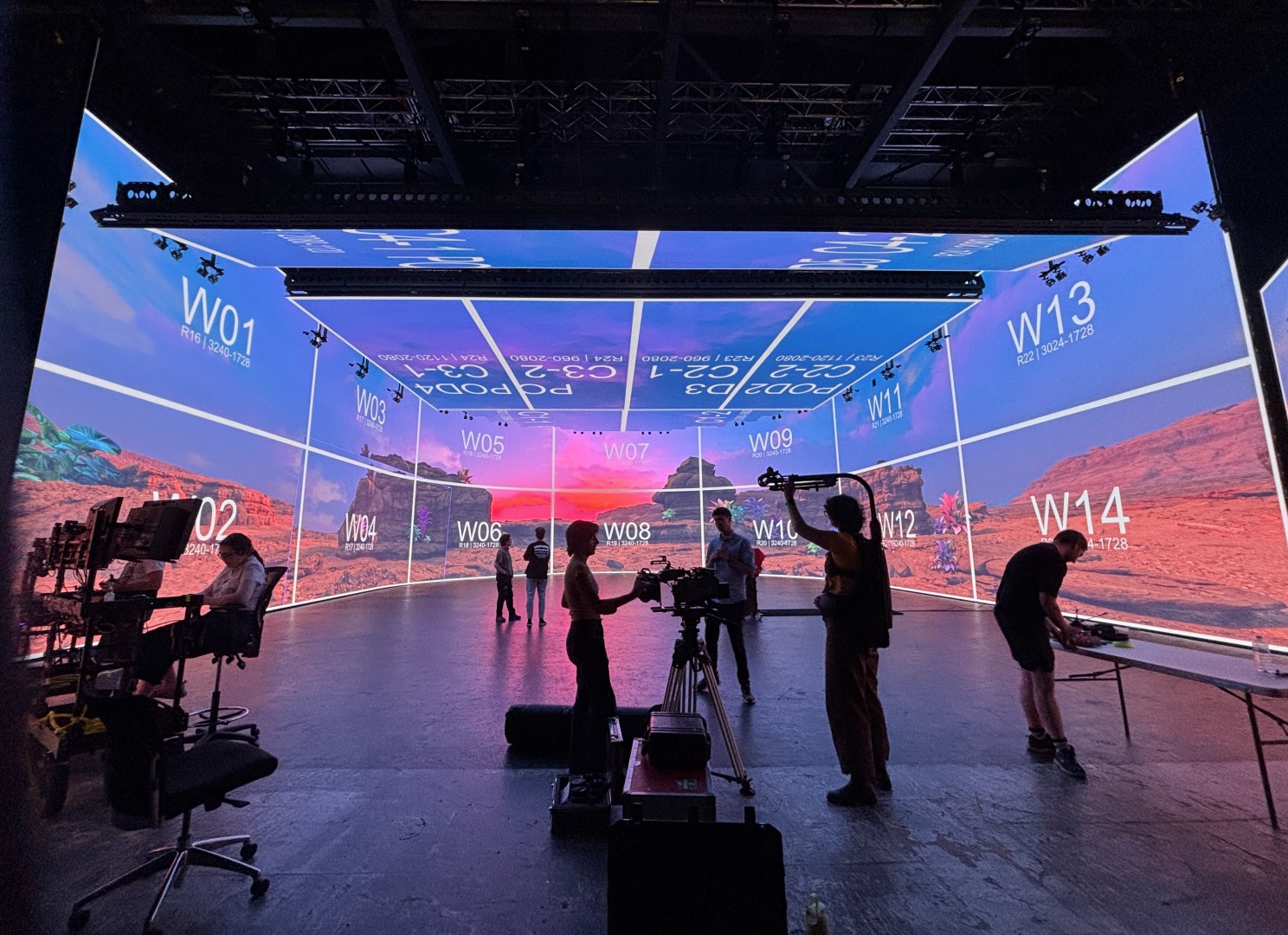
'Constructing Reality' by Auryn Ona. This work explores how virtual production merges physical and digital worlds, enabling filmmakers to control environment, light, and atmosphere in real time. Beyond the academy, this has implications for more sustainable, accessible, and innovative screen production practices. -
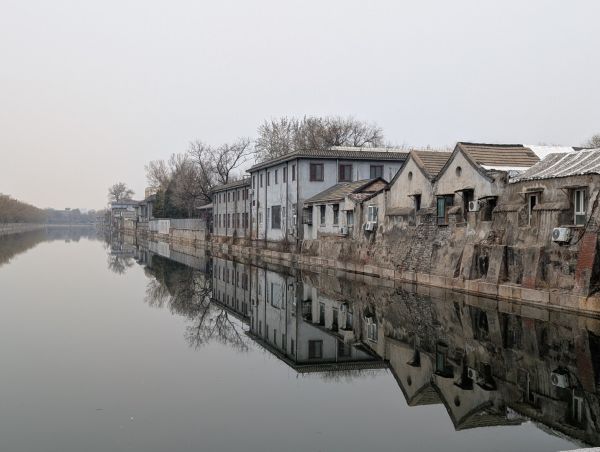
'Continuity in Contrast'
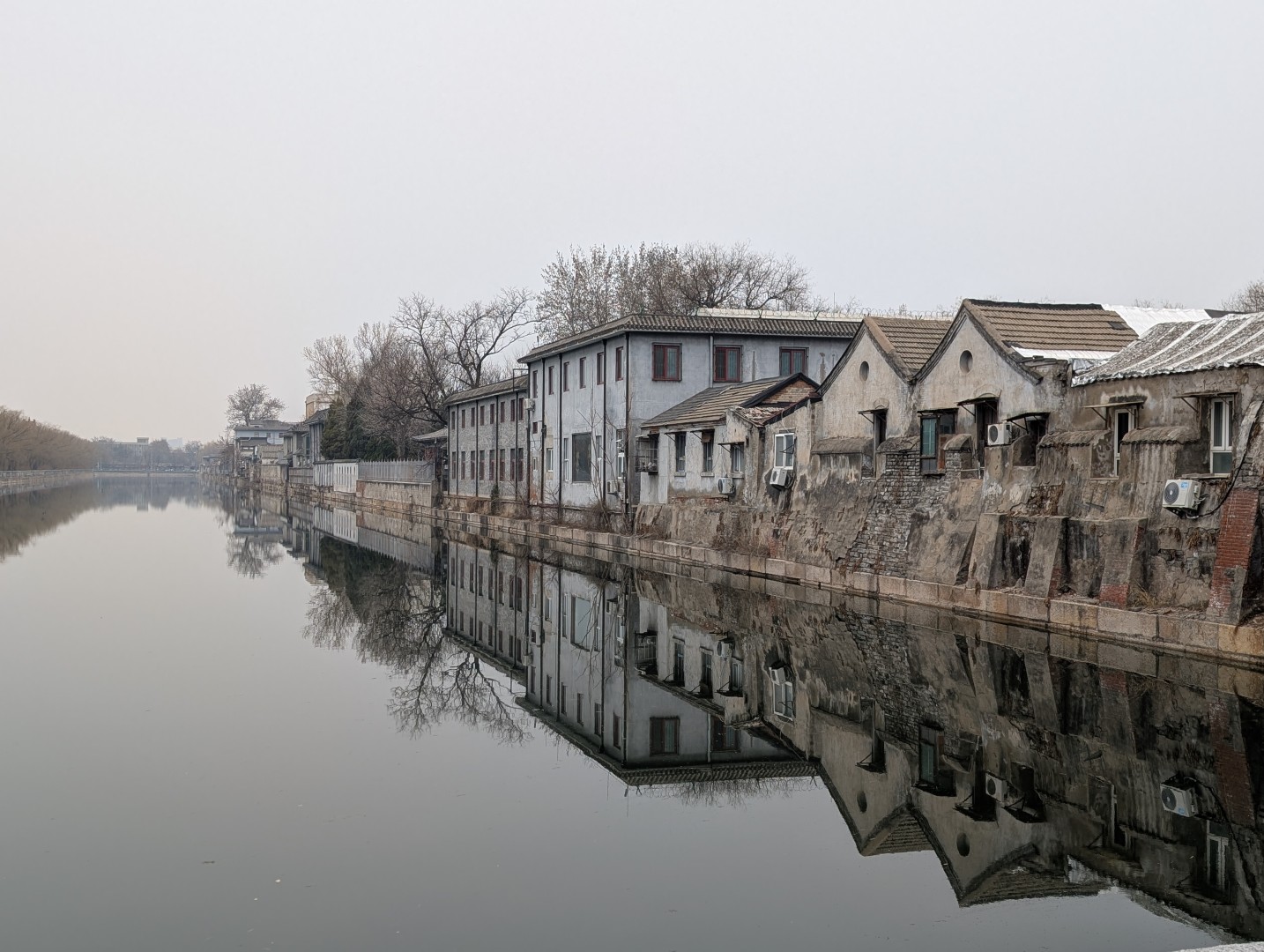
'Continuity in Contrast' by Simon Reichelt. This image reflects key questions in urban studies and heritage conservation around how historic environments are preserved while remaining functional in rapidly modernising cities. The visible integration of contemporary technologies into centuries old architecture highlights the tension between cultural preservation and present day living. -
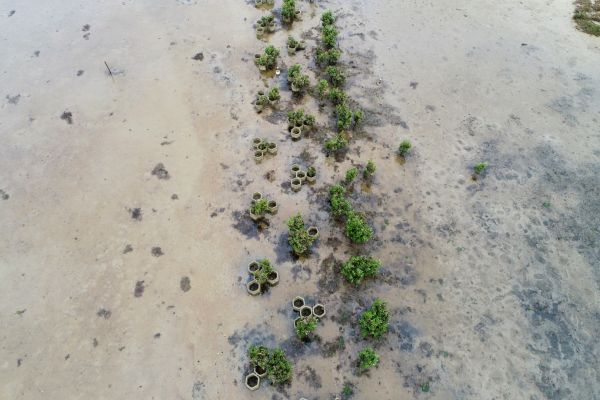
'Engineering for Mangroves'
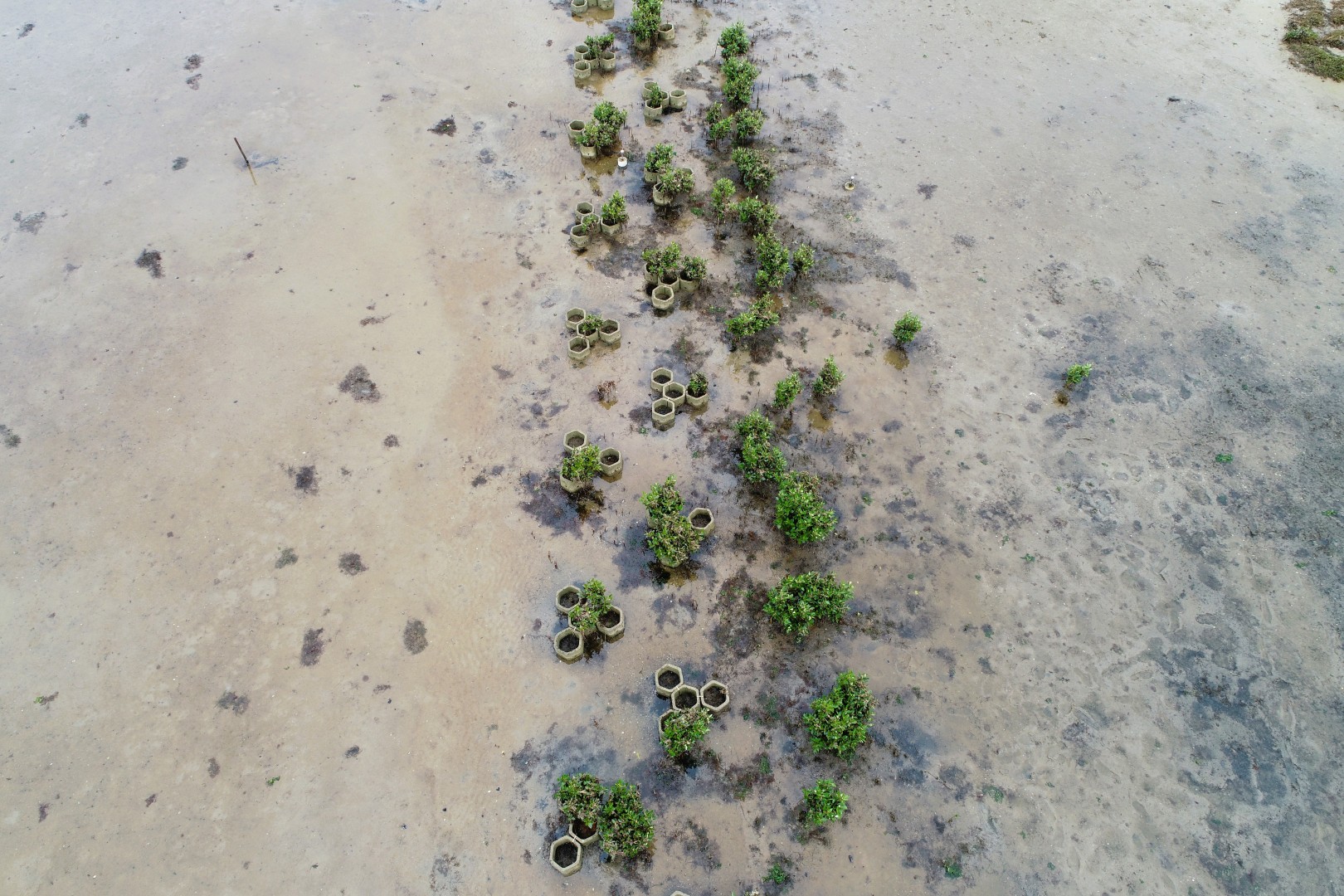
'Engineering for Mangroves' by Rebecca Morris. This image represents interdisciplinary research integrating ecology and engineering to develop living shorelines as a nature-based solution for coastal erosion, flooding, and habitat loss. The project investigates how engineered structures can support the establishment and long-term persistence of mangroves in environments where natural recovery is limited. Six years after planting, the site demonstrates the capacity for living shorelines to enhance coastal resilience while restoring habitat and biodiversity. -
'Flow'
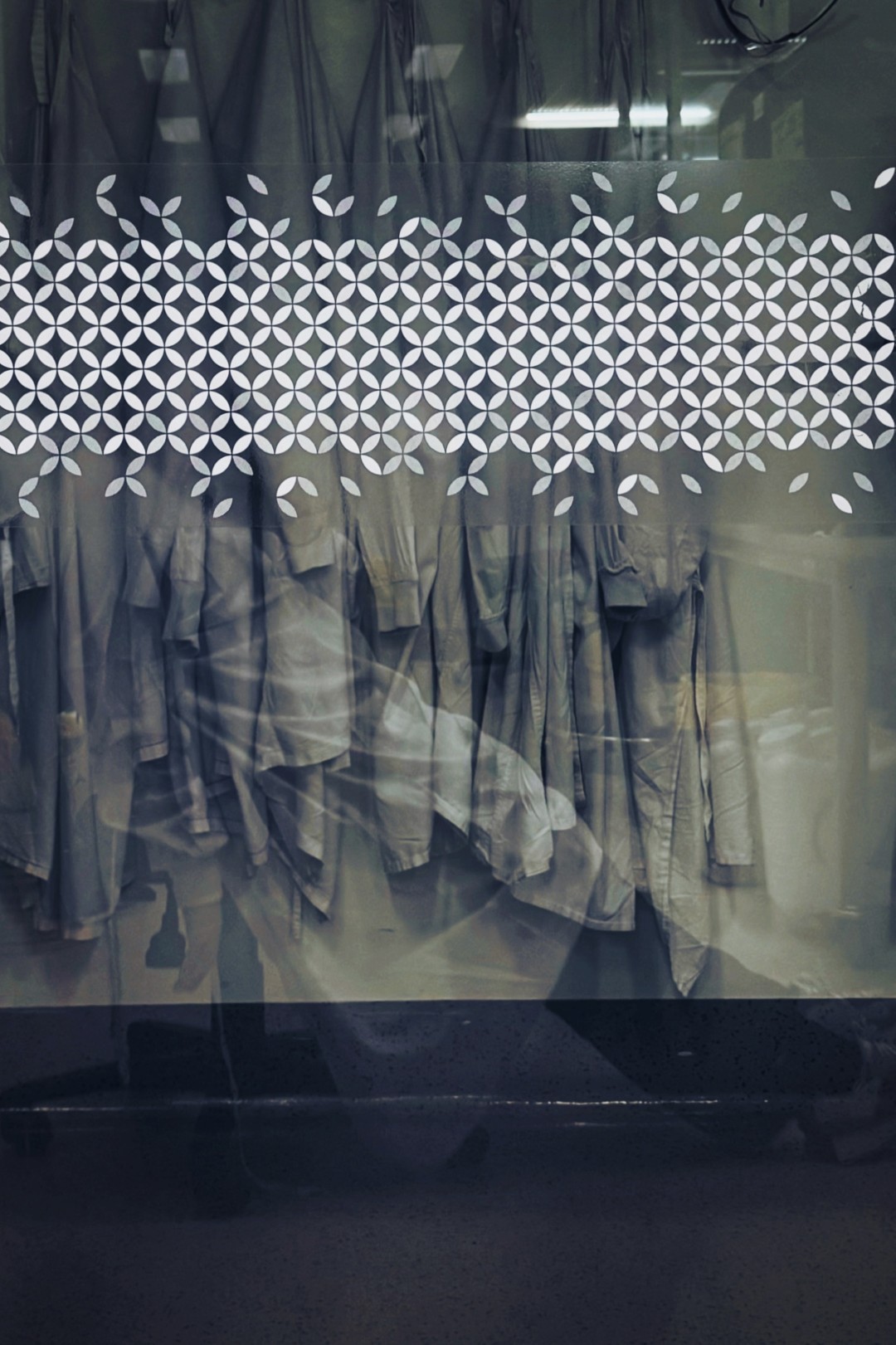
'Flow' by Cassandra Ouslinis. Flow cytometry is used in this research to evaluate the effectiveness of newly designed mRNA-LNP immunotherapies by allowing us to 'see' the immune responses they generate. These therapies are emerging as promising additions to the next generation of treatments for cancer and infectious diseases. -
'House made of Rock'
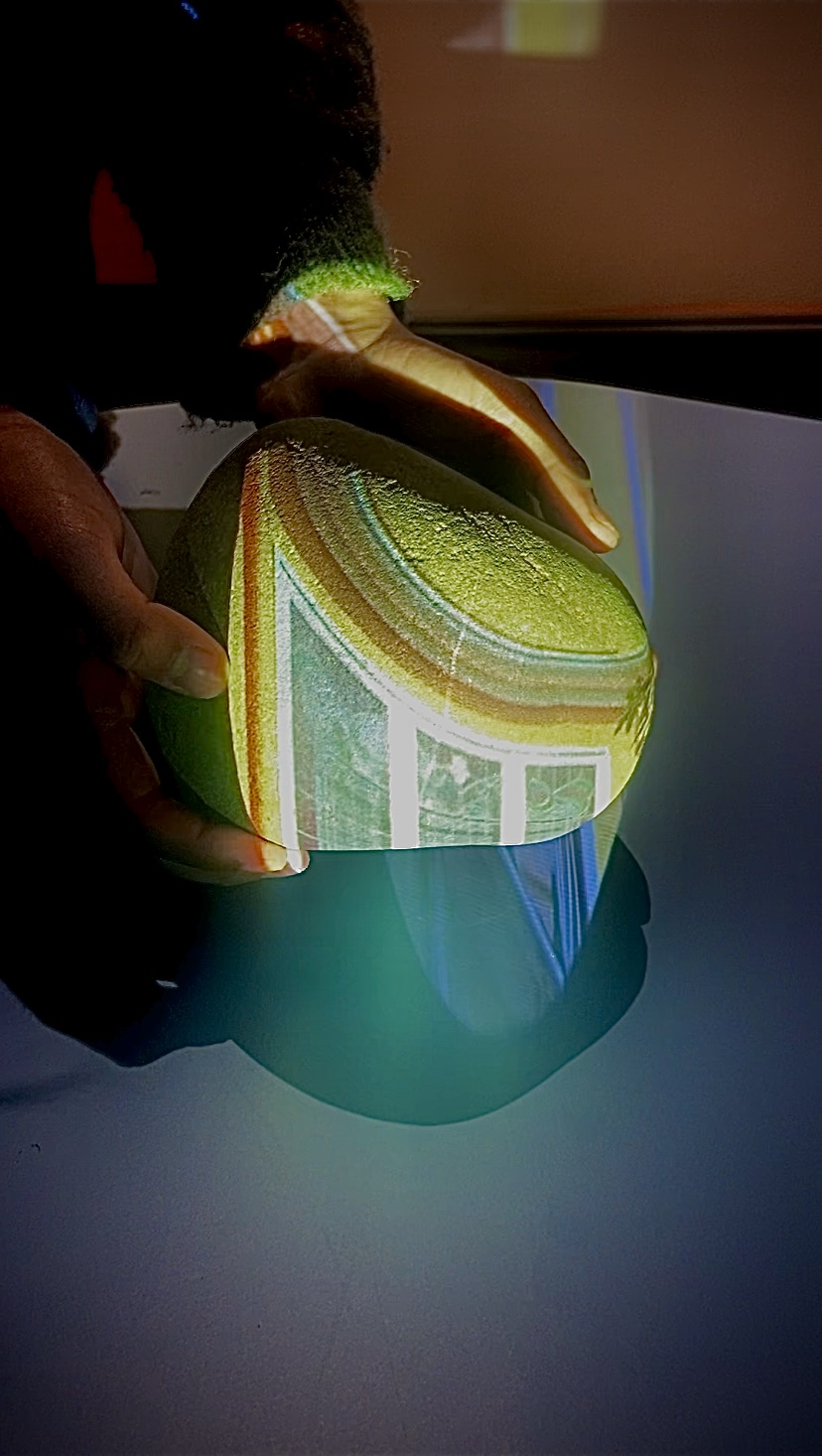
'House made of Rock' by Anika Bartholomeusz. This exploration delves into design as a creative practice, as well as its interpretation. In this case, serving as a reminder of the impact that using natural materials in man made stuctures can have on the environment. -
'Hypnotised by Hyphae'
'Hypnotised by Hyphae' by Aindreeya Alcova. This image is part of PhD research on fungal diversity associated with Australian native plants. It contributes to documenting underexplored taxa, with implications for biodiversity, plant health, and biosecurity. -
'Kai’s deep soul'
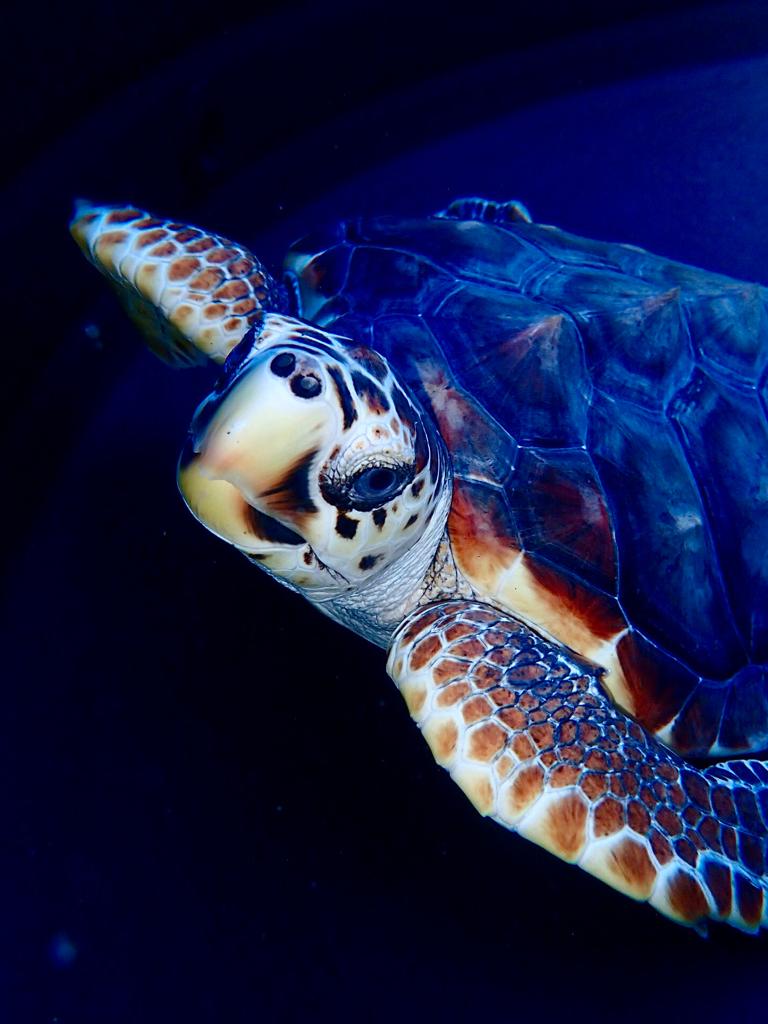
'Kai’s deep soul' by Laila Conti. The research that the image represents is a behavioural one about the impacts of feeding enrichments on injured sea turtles. In the rehabilitation center the patients would be cured and exposed to enrichment experiences before released into the wild. Their behaviour before and after each enrichment was monitored and reported in a thesis. -
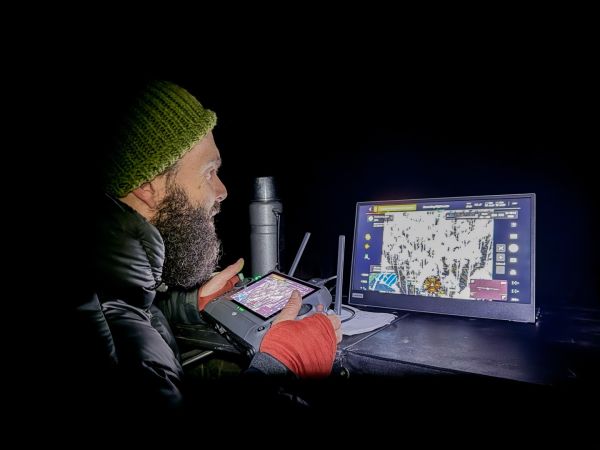
'Night Shift'
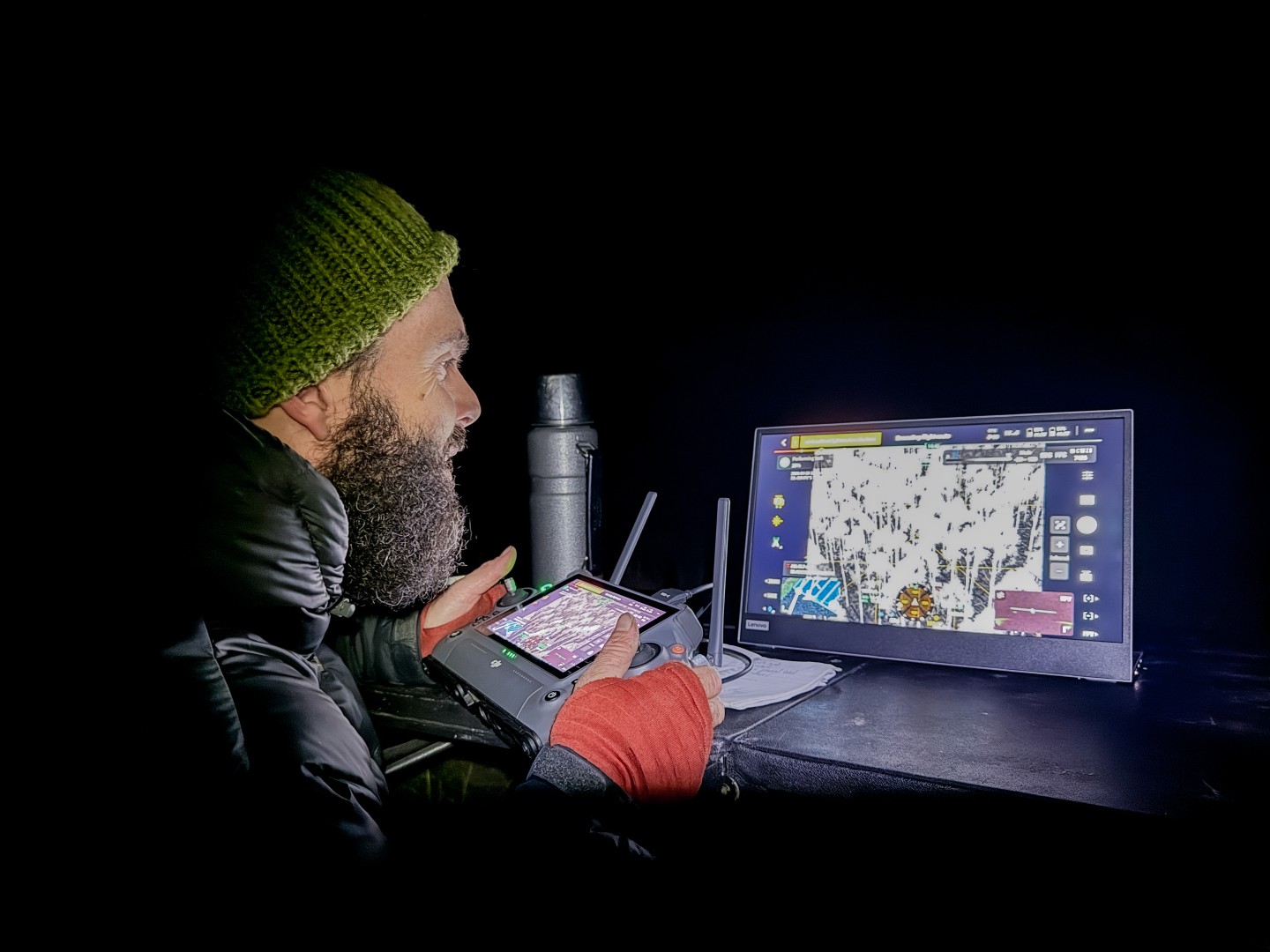
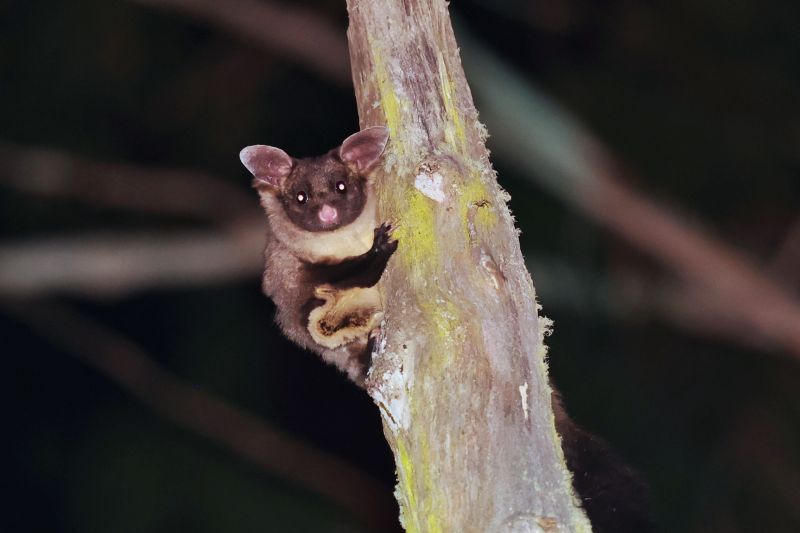
'Night Shift' by Benjamin Wagner. Natural Capital is a brand-new field for many landowners and managers to explore. It focuses on valuing biodiversity to support long-term protection and to discourage land clearing. Yet assessing biodiversity is complex and demands innovative methods to collect meaningful data at appropriate scales. -
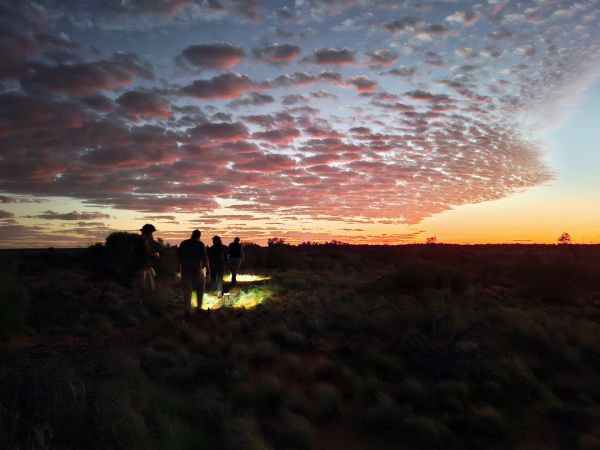
'Sunrise trap checks on Kokatha Country'
'Sunrise trap checks on Kokatha Country' by Emily Scicluna. Arid Recovery have one of the longest running ecological surveys in Australia, with ~30 years of pitfall trap data for the same sites. With this data they have been able to record gross ecosystem change in response to how native species bounce back after removal of feral pests and predators, and how desert species cope with climate change. This research is conducted on Kokatha country and regularly occurs alongside Kokatha rangers. -
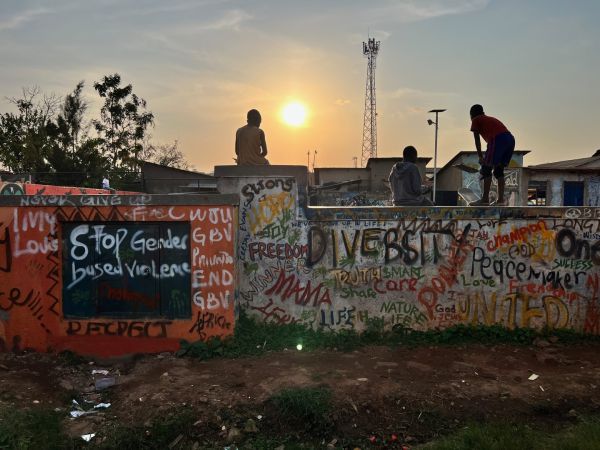
'Sunset over Kitintale skatepark'
'Sunset over Kitintale skatepark' by Sabina Andron. The image is part of the project 'Urban visual culture and heritage in Kampala, Uganda', which explores the role of public signage and urban surface displays in the formation of public cultures in the East African capital. It illustrates how the visual culture of everyday urban spaces is a form of cultural heritage, and how the walls of the city are used to achieve more inclusive and just spaces. -
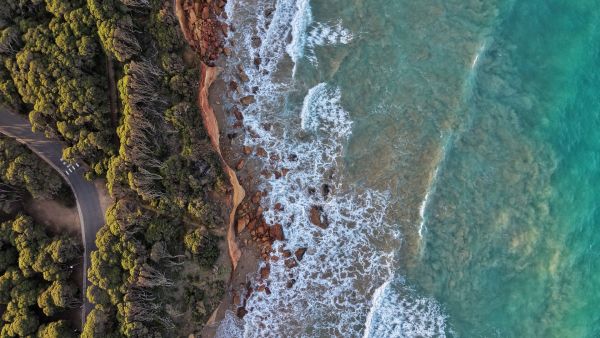
'The Geomorphic Edge'
'The Geomorphic Edge' by Wenxin Zhou. This photo represents research into coastal erosion, observing the boundary where powerful ocean waves constantly wash away the land. Understanding how fast these cliffs are wearing down has a real-world impact because this erosion threatens infrastructure, like the coastal road on the edge. By measuring these changes, the research provides local communities and councils with the clear facts they need to protect roads, make smart economic choices, and safely adapt to our shifting environment. -
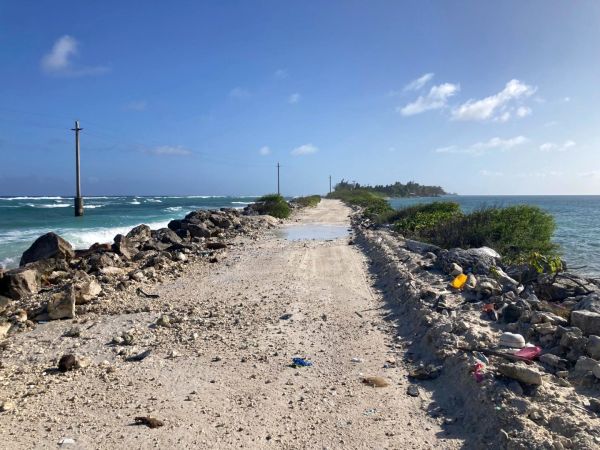
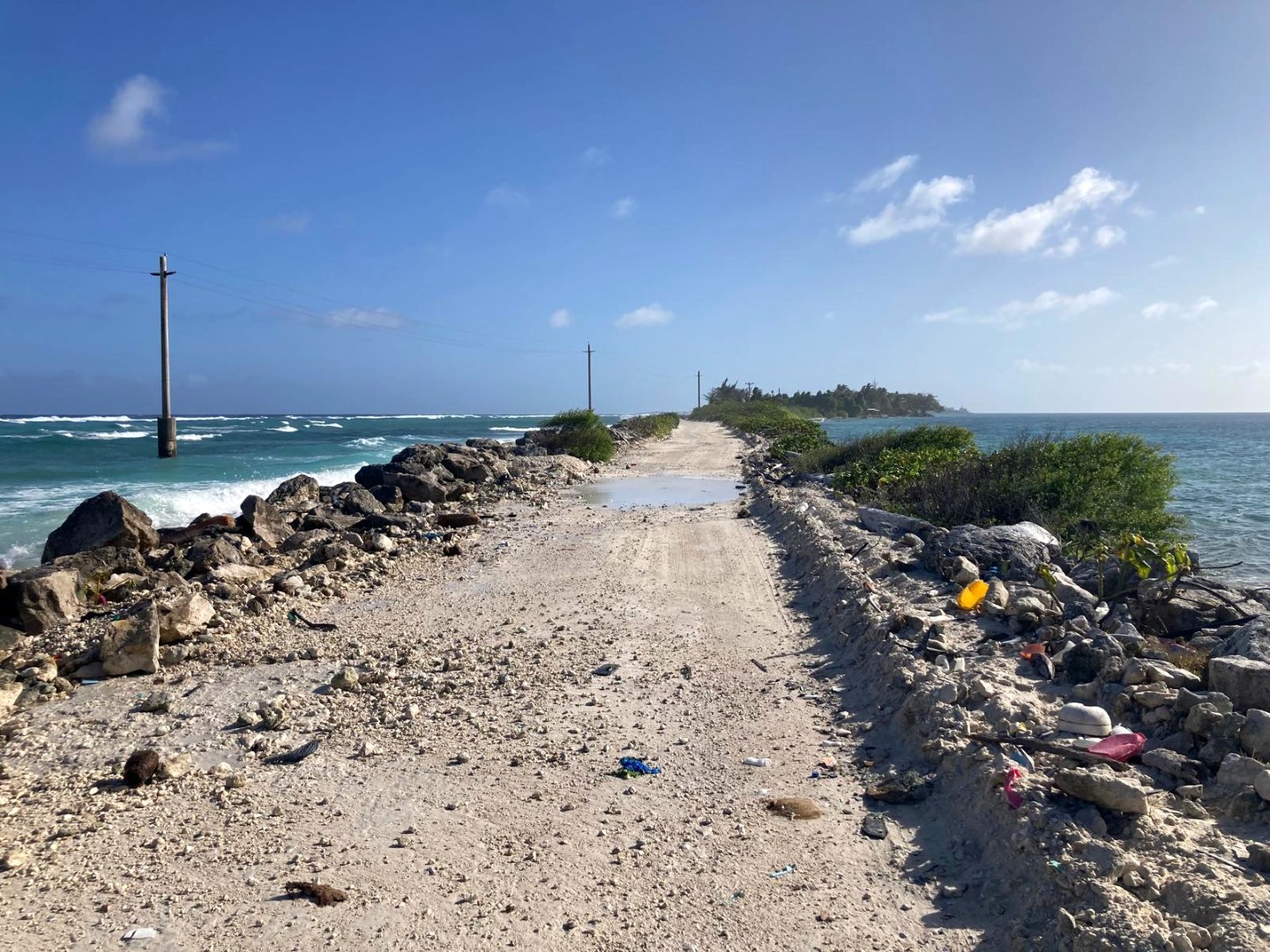
'The Sacrum of Humanity'
'The Sacrum of Humanity' by Andrew Irvin. This is the edge of the Earth; the most densely populated community in the hemisphere is crowded into a few square blocks at the end of the causeway, where an apartheid state is maintained between the Marshallese community in Ebeye, and the US government, which continues to operate Ronald Reagan Ballistic Missile Defense Test Site, where the US military plays target practice, launching intercontinental ballistic missiles from its launch site in Vandenberg, California. -
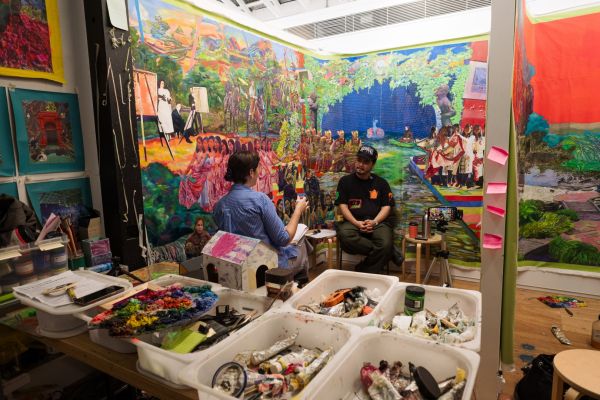
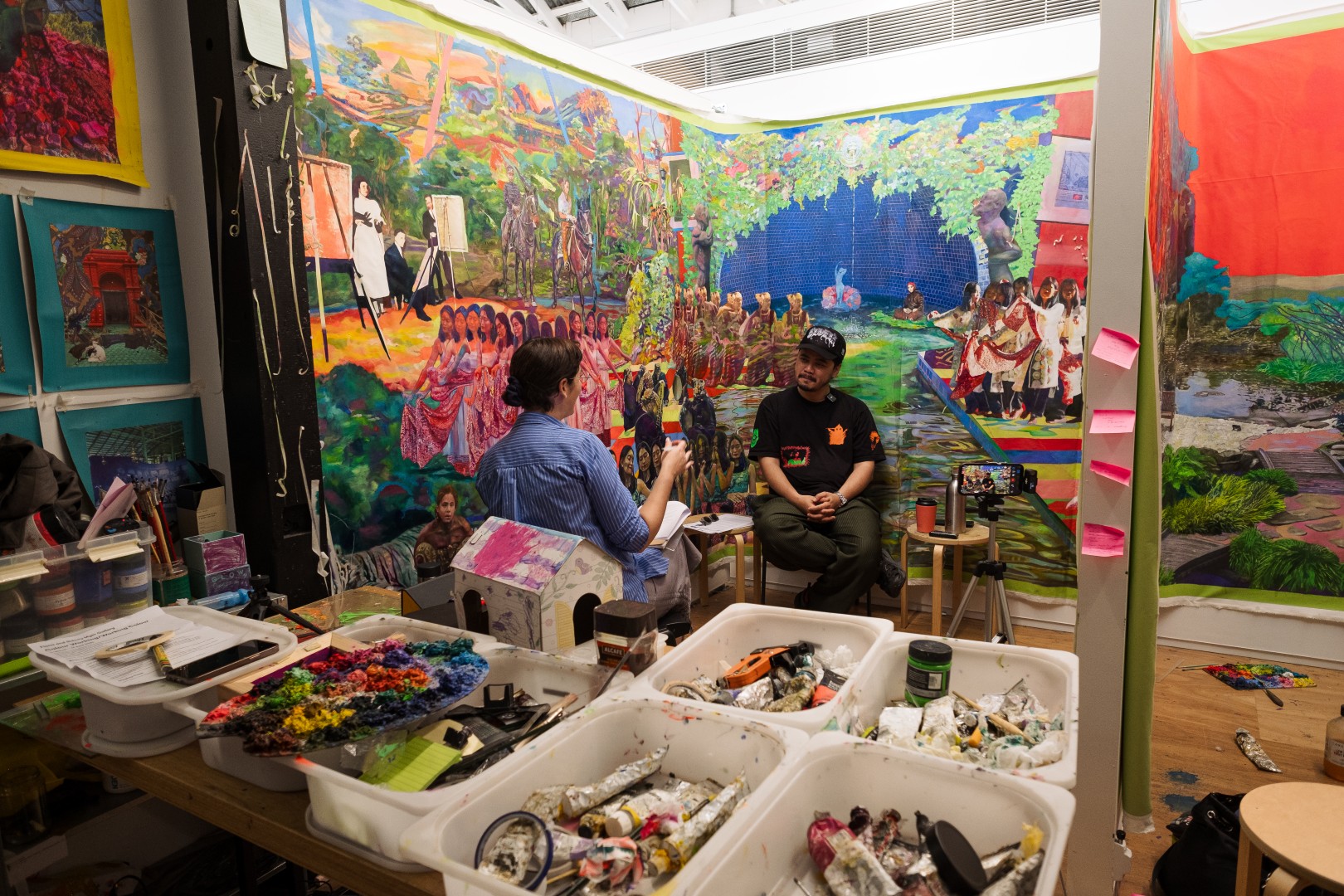
'The Studio: Where Materials Become Knowledge'
'The Studio: Where Materials Become Knowledge' by Nadhila Iffa Zakira. This photographic image represents the research project Material Mobilities and Cultural Exchange: Mapping Indonesian Diaspora Art Practices in Australia, led by Dr Eliza O’Donnell at the University of Melbourne. As a research assistant on this project, I helped support the documentation of how Indonesian artists living and practising in Australia think about materials, techniques, conservation, and cultural identity in their work. -
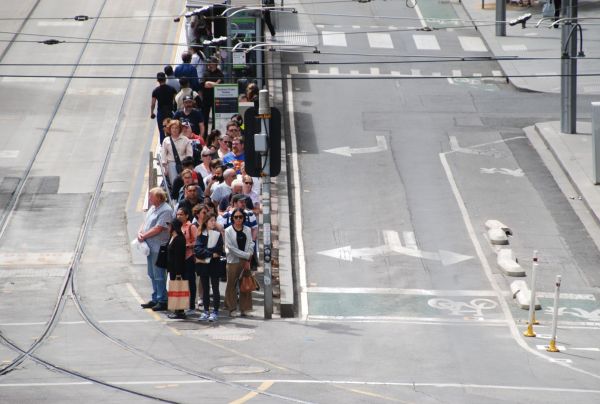
'Tram stops for pedestrians?'
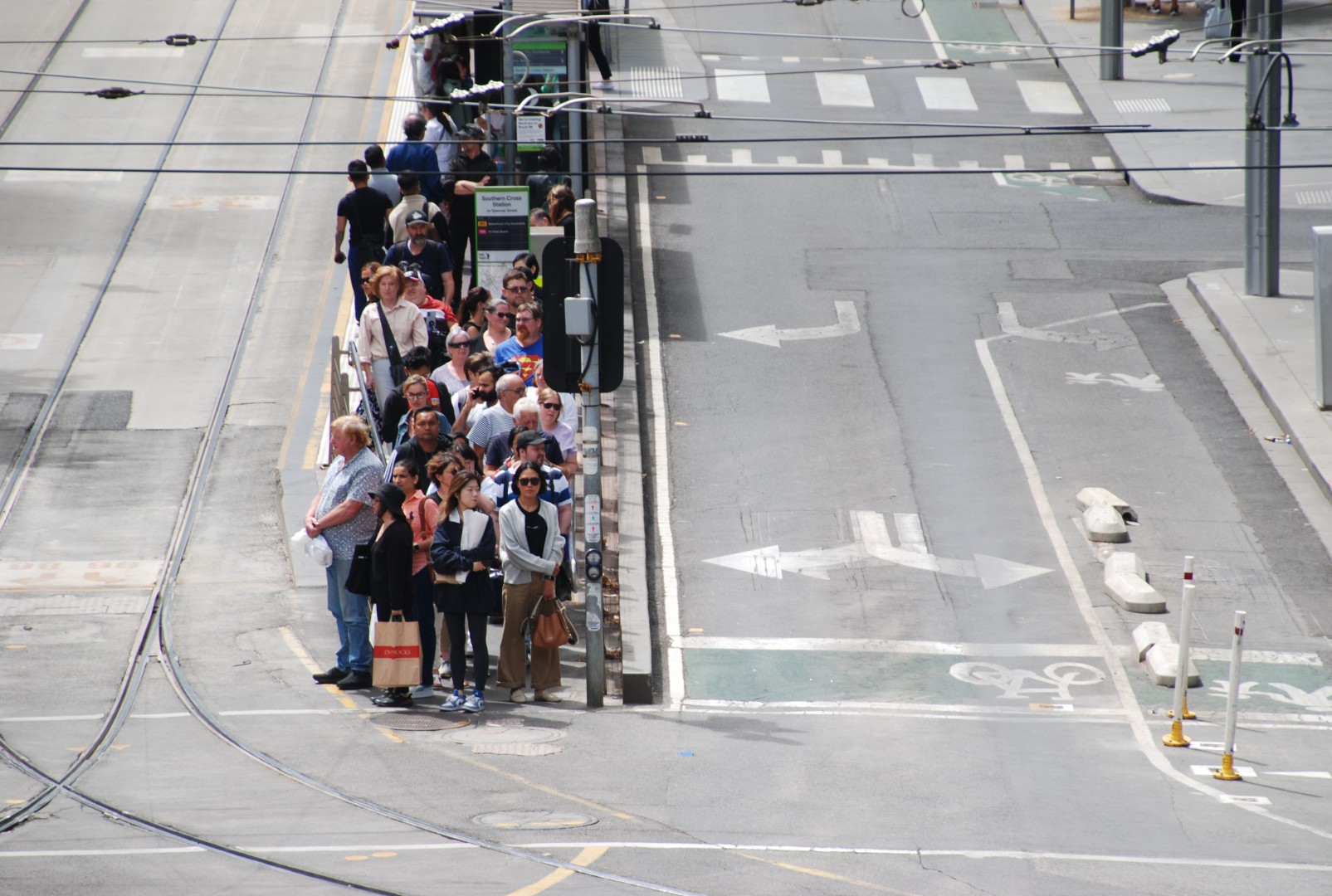
'Tram stops for pedestrians?' by Elek Pafka. The photo illustrates environment-behaviour studies about rhythms of streetlife in dense urban settings. It shows poor micro-spatial transport engineering design that is producing social discomfort, slows down pedestrian traffic and impedes pedestrian access to and from trams. This design deters walking, with negative effects on public health and environment. Hence overall it demonstrates the importance of interdisciplinary thinking in urban design. -
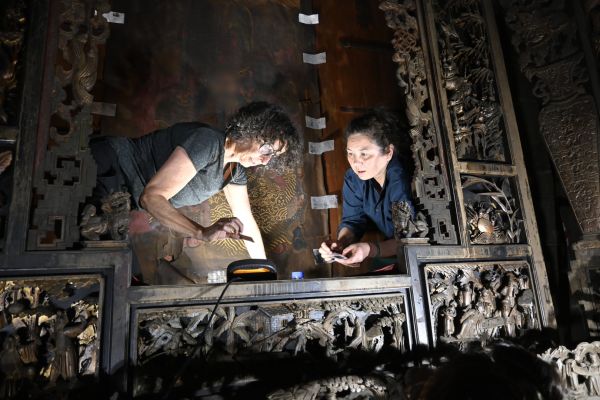
'Under Kwan Tai’s Gaze'
'Under Kwan Tai’s Gaze' by Danni Lin. This image documents condition assessment and early treatment planning for a Kwan Tai portrait at the spiritual centre of the See Yup Temple. Led through conservation research and teaching, the work brings together close material observation, technical care and community-centred recovery, helping shape how a fire-damaged yet still active temple can be cared for without losing its living significance. -
![Ruth Gulamanda, Senior Yolŋu Researcher, Peter Doherty Institute, describes the photo as follows: “This photo has been taken at Djari (Rainbow) street in Galwin’ku community on Elcho Island in Arnhem Land (Yolŋu traditional lands). We went to see our [research] participant, Alvin Balwutjmi, for his health check, and these are the two workers, Fabian Malandhula and Mariana Yalumbuwuy, who work for Walking Together. The staff deliver a service outside in the community where we approach gently and sit down with them. These people are doing a Point of Care Health check for this ḏirramu (man) and he is there relaxing. This is how we do it in the community. It’s not like at the clinic, it’s [this program] outreach in the community and that’s what the Yolŋu people want – for us to go and see the people and support them with their health at their wäŋa (home). After the check we share the results with the participant, and we let them know the story the results tell. Then we do health education dhäwu (discussion) with them in Yolŋu matha (Yolŋu language) to help them understand their results and what they can do to walk on a healthy dhukarr (pathway). We enjoy our work, working with the young workers and participants in the community. The balanda (non-Indigenous) support workers help us to deliver the program. This program is good because people want to be checked at their home where they feel safe and comfortable”.](https://research.unimelb.edu.au/__data/assets/image/0004/5572111/varieties/medium.png)
'Marrtji Limurr Rrambaŋi Guŋga'yun Yolŋu'-Yulŋuny Mala (Walking Together to support Yolŋu people for good health)'
'Marrtji Limurr Rrambaŋi Guŋga'yun Yolŋu'-Yulŋuny Mala (Walking Together to support Yolŋu people for good health)' by Ros Beadle. The burden of chronic disease continues to put great strain on and results in incessant grief for remote Aboriginal communities, including Galiwin’ku (Elcho Island) in North-East Arnhem Land. The Walking Together project emerged from community ideas to design and deliver a community-led mobile health service to support Yolŋu adults to have regular point of care (POC) health checks to slow down and prevent diabetes and cardiovascular disease. Photo taken by Dr Ros Beadle on behalf of Ruth Gulamanda, George Gurruwiwi, Juanita Mooney, Dr Hasthi Dissanayake and Professor Bev Biggs -
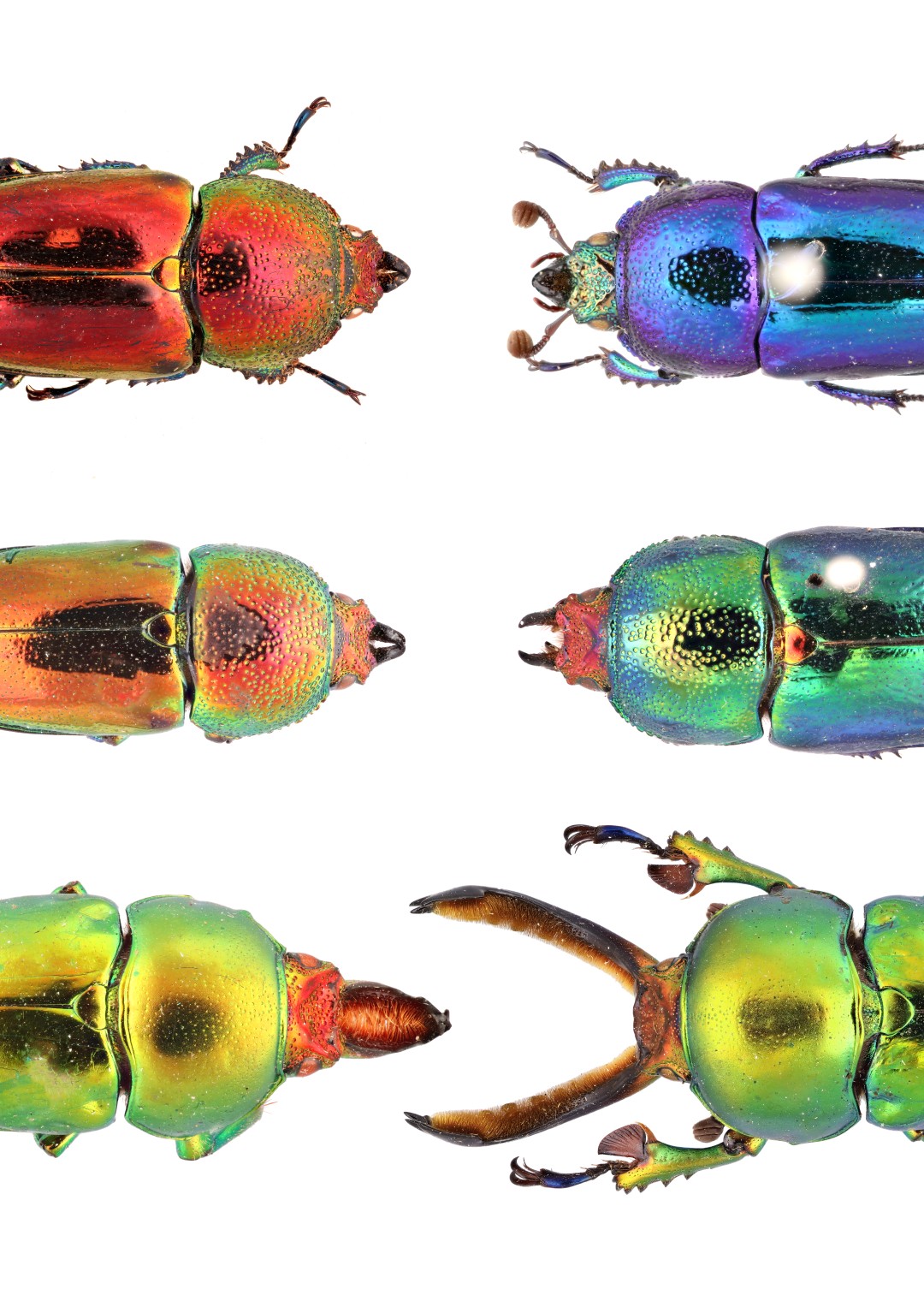
'When variation runs wild - Lamprima aurata'
'When variation runs wild - Lamprima aurata' by Aleksandra Trojanowska. My PhD project investigates the eco-evolutionary drivers of extraordinary morphological diversity using the Australian golden stag beetle (Lamprima aurata) as a model system. Lamprima beetles are uniquely suited to investigate drivers of extreme diversity. Lamprima aurata exhibits extraordinary variation in colour and secondary sexual traits - both within and between populations across its range, while the four other members of the genus show far more restricted distribution and morphological diversity.
![Ruth Gulamanda, Senior Yolŋu Researcher, Peter Doherty Institute, describes the photo as follows: “This photo has been taken at Djari (Rainbow) street in Galwin’ku community on Elcho Island in Arnhem Land (Yolŋu traditional lands). We went to see our [research] participant, Alvin Balwutjmi, for his health check, and these are the two workers, Fabian Malandhula and Mariana Yalumbuwuy, who work for Walking Together. The staff deliver a service outside in the community where we approach gently and sit down with them. These people are doing a Point of Care Health check for this ḏirramu (man) and he is there relaxing. This is how we do it in the community. It’s not like at the clinic, it’s [this program] outreach in the community and that’s what the Yolŋu people want – for us to go and see the people and support them with their health at their wäŋa (home). After the check we share the results with the participant, and we let them know the story the results tell. Then we do health education dhäwu (discussion) with them in Yolŋu matha (Yolŋu language) to help them understand their results and what they can do to walk on a healthy dhukarr (pathway). We enjoy our work, working with the young workers and participants in the community. The balanda (non-Indigenous) support workers help us to deliver the program. This program is good because people want to be checked at their home where they feel safe and comfortable”.](https://research.unimelb.edu.au/__data/assets/image/0004/5572111/Walking-together-to-support-Yolgnu-people-for-good-health.png)
Note the 2026 competition is now closed – Lens of Discovery will return in 2027
Prizes
For entries showcasing the most creative and original interpretation of the theme. Winners will have their images displayed at an exhibition.
Staff prizes
All current University of Melbourne staff (academic and professional) are eligible to enter. Prizes will be decided by a judging panel and are divided into the following categories:
Humanities and Social Sciences (HASS) winner
$500
Science, Technology, Engineering, Mathematics (STEM) winner
$500
Health and Medical Sciences (HMS) winner
$500
Student prizes
All University of Melbourne students are eligible to enter. Prizes will be decided by a judging panel and are divided into the following categories:
Humanities and Social Sciences (HASS) winner
$500
Science, Technology, Engineering, Mathematics (STEM) winner
$500
Health and Medical Sciences (HMS) winner
$500
People’s Choice Award
All finalists will go into the running for the $1000 People’s Choice Award, chosen by the University of Melbourne community.
Judging
Entries will be shortlisted by the following elements:
- The research or discovery the image represents, including the actual or potential impact or significance.
- Original interpretation of the theme: Advancing the boundaries of knowledge.
- The creativity, originality, aesthetic and technical merit of the photo.
Image snapshot: Dr Benjamin Wagner uses thermal camera-equipped drones to capture hard to reach, endangered species which is revolutionising wildlife surveys in Victoria's native forests.
Who’s in your photo?
People can really make a photo stand out, but it's important that anyone who is identifiable in your entry consents to having their image shared. Anyone featured in your photo must complete a talent release form for the photo to be eligible for the competition.
Image snapshot: research from the University of Melbourne found a free online Tai Chi program is effective in improving chronic knee pain.
Frequently asked questions
-
The Lens of Discovery photography prize is open to all staff and all students at the University of Melbourne.
Staff includes academic and professional employees at the University of Melbourne, including contract and casual staff, and honoraries.
Students includes those currently enrolled in any undergraduate or graduate (coursework or graduate research) course at the University of Melbourne.
-
You don’t need to be an active researcher to enter. Your photo could be something that inspires you from your coursework, an event at the University, or something a colleague or teacher is researching, or ... surprise us, be creative and think outside the box.
At the University of Melbourne, we pursue research of the highest quality that has significant impact and benefit to society – and we want to share it with the world. We invite you to share where your curiosity has led and the impacts.
From the field to the lab, from the studio to the clinic, and from the classroom to the community, your photo can include any perspective. Your challenge is to think of the most creative way to showcase the impact and wonder of research.
-
For this competition, entries should be image files (minimum resolution of 4MP or 2500 pixels on its longest edge).
Your photo can have minor edits (cropping, colour balance, tone, contrast etc.) but cannot be created with or augmented by generative artificial intelligence.
-
If your image features another person, please confirm they consent to having their image shared. Please share this talent release form to anyone pictured and ask them to provide their details.
Unfortunately, we will not be able to proceed with your entry if this information is missing.
-
All entries must be sent through our submission form. We ask you complete the relevant fields, which includes the following:
- A little bit about you: Name, contact details and faculty/school/course affiliation.
- Short text describing the research your image represents, and includes location (including Traditional Land if image was captured on Australian Country) and/or names of other people in image.
- An accompanying talent release form if there are other identifiable people in your image.
- Agreement to competition entrant guide with terms and conditions.
-
You might already have the winning entry sitting on your phone. Photos taken in the last two years are eligible for entry. We encourage all skill levels to enter.
-
Any images submitted can be used across all University channels – including marketing, communications, social media, emails and on the website – and in external channels as part of University promotion. However, we will ensure you (the photographer and image owner) will always be credited, and you retain copyright of your images.
Winning and shortlisted entries will presented at a physical exhibition on campus and an online gallery on the University's website. See the terms and conditions for full details.
-
We will regularly give out small prizes throughout the competition, so the earlier you submit, the more chances you have to win. Winners will still be eligible for the major prizes.