Reproductive Justice Early Career Researcher Network
The Reproductive Justice Early Career Researcher Network brings together early career researchers and scholars interested in or currently working with the concept of reproductive justice in Australia. It is hosted by the Reproductive Justice Hallmark Research Initiative.
The network's central aim is to establish an interdisciplinary community of researchers to reflect on contemporary reproductive issues and to ask what the concept of reproductive justice can do in Australia today.
It seeks to facilitate scholarly dialogue across diverse disciplines and build early career researcher capacity through a range of targeted activities, such as seminars, writing groups, researcher development workshops, and social events.
Who are we?
The ECR network is convened by:

Mridula is a Postdoctoral Research Fellow in Sexual and Reproductive Health and Rights at the Gender and Women's Health Unit in the School of Population and Global Health. As a social scientist, her research focuses on understanding reproductive health behaviours and outcomes in relation to the structural factors—both proximal and distal—that shape people’s ability to realise their sexual and reproductive rights. She has a particular interest in applying innovative study designs and participatory approaches to advance collaborative research in maternal health equity, abortion access and safety and models of self-managed medication abortion.
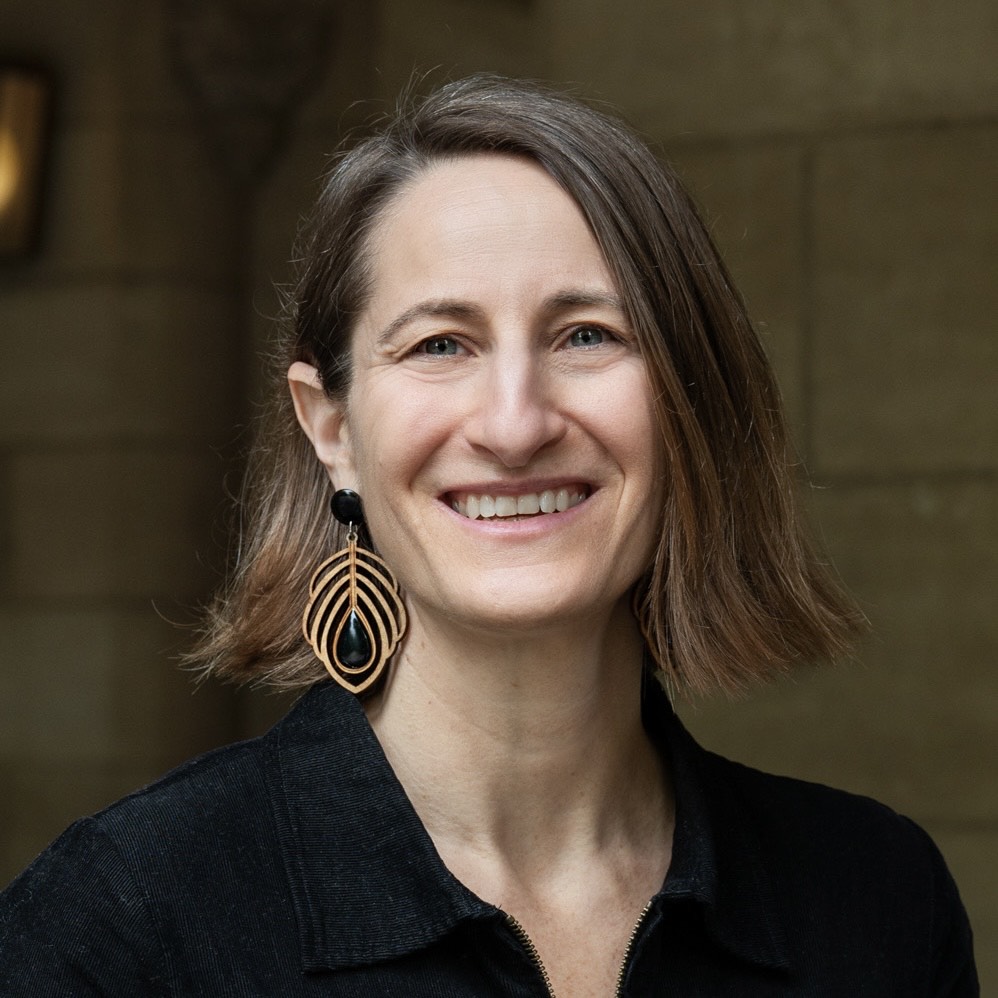
Shelly is a McKenzie Postdoctoral Research Fellow in the Melbourne School of Population and Global Health. Her current research focuses on reducing abortion stigma in the health system to improve quality of care and accessibility.

Paige is a McKenzie Postdoctoral Fellow in the School of Historical and Philosophical Studies. She is a historian of reproduction, sexuality, and medicine in Europe c. 1550 to 1850.

Jaya is a Senior Lecturer in Gender Studies in the School of Social and Political Sciences. Her work explores how everyday experiences of reproduction are shaped by scientific knowledge practices and regimes of race, gender, sexuality, and coloniality. She seeks to develop queer feminist frameworks for understanding embodiment and inheritance, and has worked on issues including queer family making, cross-racial surrogacy, and environmental epigenetics.
Get involved
The network is open to early career researchers (including higher degree research students) across all disciplines who have an interest in the topic of reproductive justice. If you have questions or are interested in joining the network, please reach out to the conveners by email.
First published on 10 April 2026.
Share this article