5 Minute read
Life after graduate research: Dr Elaine Pratley
Dr Elaine Pratley left her law career to pursue her passion in peacebuilding. Her PhD explored peacebuilding using food as her topic and research method. Today she advises individuals and organisations on how to respond to conflict positively.
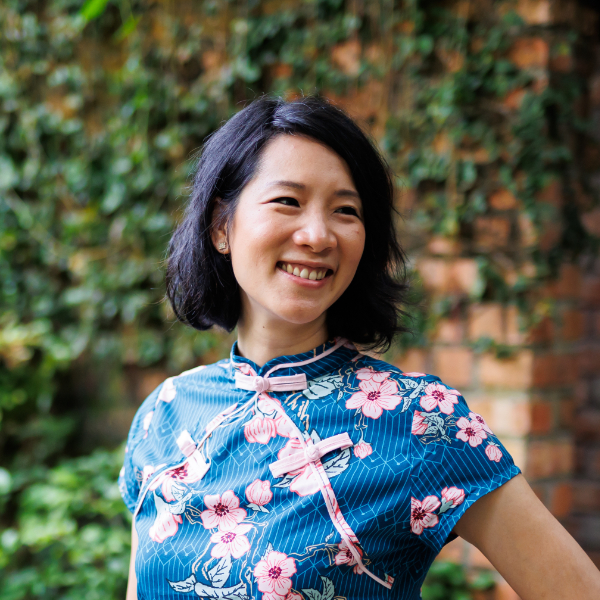
Dr Elaine Pratley is a peacebuilder. With her consortium Peace Inc., she helps people and organisations respond positively to conflict.
“In Australia and globally, there are fewer and fewer opportunities to meet people who are different from you. And that means we lose the opportunity to develop the skills to do that,” says Dr Pratley.
“So in Australia, even though we might not have overt violence beyond what we see in the newspapers, we all have attitudes that might be divisive.”
Many Australians experienced firsthand how quickly a society can become polarised during the 2023 referendum.
Dr Pratley explored the relevance of peacebuilding in seemingly peaceful societies during her University of Melbourne PhD in Arts.
How food can be a tool for building peace
“I wanted to examine how young people built peace. There are a lot of tropes about youth being troublemakers. But young people do many positive things, and often they’re not recorded,” she says.
And Dr Pratley wanted to look at peacebuilding through a more creative lens.
“Food reminds us that we all need to eat and that we're all struggling to survive,” Dr Pratley says.
Food brings people together. Food can encourage cross-cultural exchange. Food can represent care for other people – and even for other species through diets like veganism.
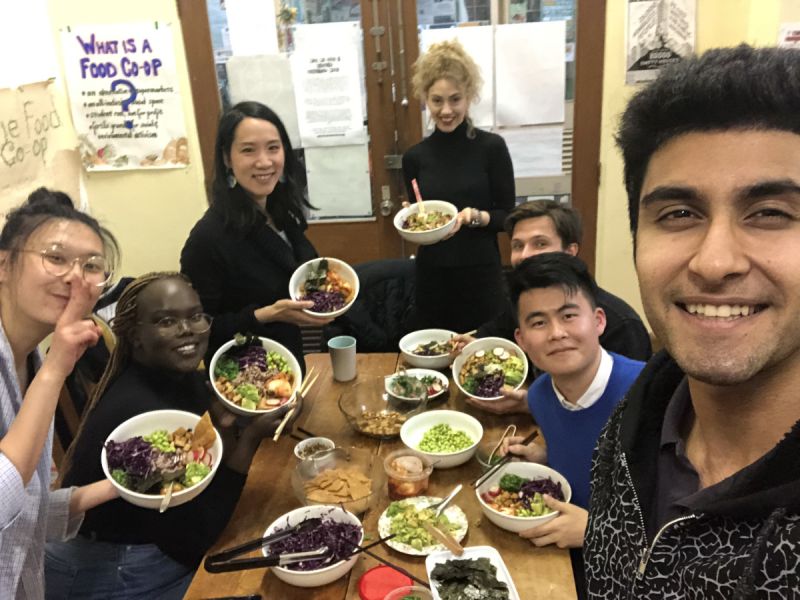
The highlight of my PhD was just that space to be creative, to think and try new things. Dr Elaine Pratley
She realised that food could also be her research method. Dr Pratley ran food and cooking workshops with her youth collaborators. She went on grocery shopping trips with them.
“One of my research collaborators is a Jain. They can't eat most things. They can't eat meat but also garlic, onions, carrots, mushrooms – anything grown underground. They can only eat vegetables, but then green vegetables have small insects during monsoon, so they don't eat that at all,” Dr Pratley says.
“Going on the grocery shopping trip was interesting because of that.”
Dr Pratley continues this work through Peace Kitchen.
How the University of Melbourne supports PhD candidates
Before her PhD, Dr Pratley had worked in New Zealand as a crown prosecutor and then in international aid and development for the Ministry of Foreign Affairs and Trade. She worked in mergers and acquisitions in China and co-founded a corporate agency in Beijing.
“But my heart is in peacebuilding,” she says.
“I applied for the PhD because I thought it would give me the room to delve into peacebuilding frameworks, to know what the best practices are and where peacebuilding is going.”
When moving to Australia, Dr Pratley needed to choose between two Melbourne universities.
“I chose the University of Melbourne because, as a new migrant, people said you should go for a reputable institution,” she says.
Dr Pratley’s children were two and four years old when she started her PhD. The University of Melbourne gave her the ability to work flexibly and take carer’s leave.
She also received a Melbourne Research Scholarship, which provided her a stipend for the duration of her PhD. The scholarship is available for both domestic and international students.
PhDs may have dark moments, but building a community helps
Dr Pratley grew close with her PhD cohort.
“Even though we all had different topics, we journeyed together. We were able to learn from our mistakes together,” she says.
And Dr Pratley found other ways to connect with people. “Shut up and write” workshops are one peer activity organised by the Graduate Student Association. In these workshops, researchers write quietly for a certain time and take breaks together.
You don't necessarily know each other, but you're there to give each other accountability and the sense that they are present with you during your painful moments of writing. Dr Elaine Pratley

The workshops helped Dr Pratley tackle issues in her writing. But there is also power in just being around other people. A PhD can be isolating.
Completing the degree takes intellectual work, but also emotional and mental tenacity, Dr Pratley says. Feeling lost during a PhD is normal.
“For most of the PhD, you're going through dark moments and self-doubt and confusion and messiness,” Dr Pratley says.
“A PhD is about you subjecting yourself to a process to become a better researcher and to know your work deeper, but to also acknowledge how our way of looking at the world isn't the only way.”
The University of Melbourne supports career paths outside academia
Since graduating from her PhD, Dr Pratley has continued to work in peacebuilding.
“I help people think creatively and to reflect on how to respond to conflict, how to develop solutions for it, and walk them through that journey,” she says.
She works with individuals and organisations through advising, consulting and workshops.
Dr Pratley’s PhD gave her the skills needed to create and research knowledge in a rigorous way.
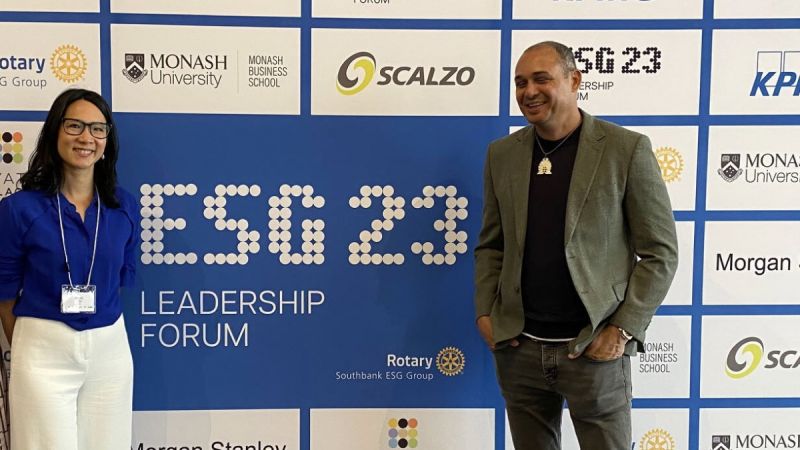
I can help people and organisations uncover the knowledge they already possess. Dr Elaine Pratley
“Because sometimes they might not realise they've got these existing knowledges. They think only academics have this knowledge. But as a researcher, you can help them reflect on what they might know and how to use it to develop solutions to issues.”
Dr Pratley has also continued to refine her business ideas. During her PhD, she founded Peace Inc. Peace Inc. brings together social innovators, entrepreneurs, researchers and creatives to tackle big social issues in Austalia and around the world.
Now Dr Pratley wants to start a not-for-profit focused on school peer-mediation programs. To explore this idea, she completed TRAMx, an intensive bootcamp to teach entrepreneurial skills offered by Translating Research at Melbourne.
“It was really great to be taken through some business frameworks to translate your idea into a viable product that can be commercialised. They were very good in delivering that program.”
To continue on her entrepreneurial journey, Dr Pratley has received a scholarship to participate in the Velocity Program for early-stage startup founders delivered by the Melbourne Accelerator Program.
First published on 16 May 2024.
Share this article
Keep reading
-
Why research with us
Explore the benefits of undertaking your graduate research at the University of Melbourne.
-
Your research options
Explore your options as a graduate researcher at the University of Melbourne.
-
Your study experience
Discover what it's like to be a graduate researcher. Find out about University life, support services, and opportunities for skills development.
-
How to apply
Find out how to apply for graduate research at the University of Melbourne.