Heart and brain health are tightly linked and age-related changes in our cardiovascular system can selectively influence brain networks and alter function in the brain.
This breakthrough, discovered by researchers from the University of Melbourne’s Departments of Psychiatry and Biomedical Engineering, will help enable better health in our ageing population.
Led by Professor Andrew Zalesky and PhD researcher Yalda Amirmoezzi, with Associate Professor Vanessa Cropley and Dr Ye Ella Tian, the research was published in the Journal of Neuroscience.
“While age is typically measured by the number of our years, the pace of ageing can differ across organs. The difference between an organ’s biological age and its chronological age can give us valuable insights into its health.”
Professor Andrew Zalesky – Departments of Psychiatry and Biomedical Engineering
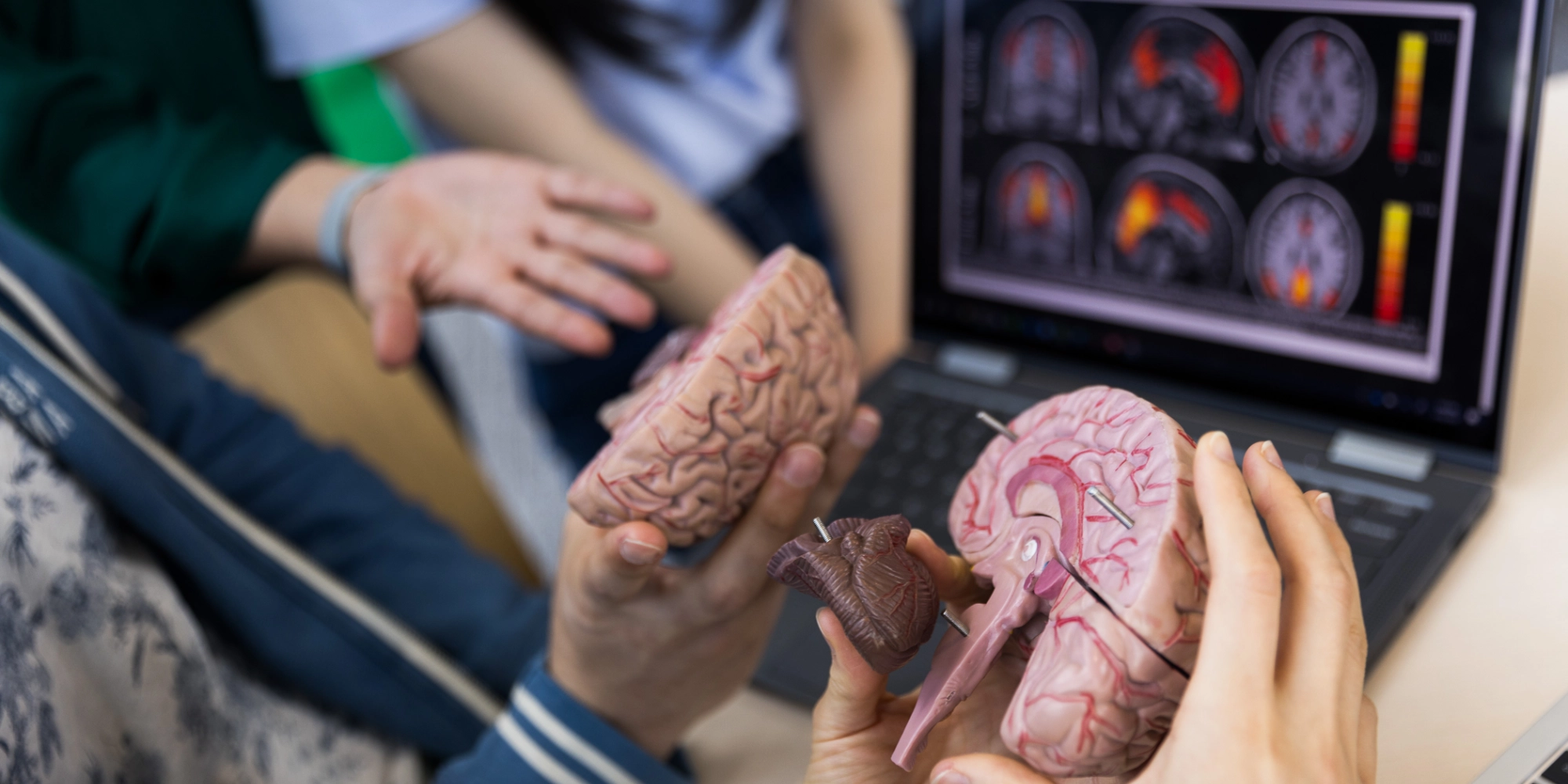
The researchers suggest the findings may help explain why conditions like dementia and heart disease often happen together. And, importantly, may offer insight into how onset of these diseases might be delayed.
While many of the organs in our bodies age at different rates, this research suggests the biological ageing of our heart and brain is tightly linked, and this connected ageing affects specific brain networks and heart features.
The study analysed data of 3000 healthy adults aged between 46 and 80 years from the UK-based, large-scale, anonymous biomedical database Biobank.
The team then developed a model to calculate the biological age of a person’s brain and heart using MRI scans and ultrasound images, as well as physiological recordings of their heart activity.
The results show that if a person’s cardiovascular system appears older than their chronological age, it’s more likely that their brain will also be older – and vice versa.
Our researchers also established that cardiovascular ageing is linked to age-related changes in three specific brain networks: the somatomotor network (which we use for co-ordinating sensation and movement), the default mode network (which we use for inward reflection), and the salience network (which processes pain, emotions, reward and motivation).
Beyond their roles in thinking, sensing and movement, these brain networks are also involved in regulating our autonomic nervous system and heart function.
This suggests the connection between brain and heart ageing isn’t just a coincidence – these systems are biologically linked. It highlights the importance of cardiovascular health in preserving brain structure and function.
Understanding the link between brain and heart ageing could lead to more effective, integrated approaches for predicting, preventing and managing these conditions.
First published on 24 July 2025.
Share this article